The Paris Trip That Went Over My Budget
Last year, I traveled to Paris. I wanted a simple, beautiful trip, one that felt indulgent without being excessive, and meaningful without being rushed. Paris, with its quiet mornings and crowded evenings, always seems to invite that balance, at least in imagination. I arrived on a cool afternoon, when the light softened the buildings and…
Last year, I traveled to Paris. I wanted a simple, beautiful trip, one that felt indulgent without being excessive, and meaningful without being rushed.
Paris, with its quiet mornings and crowded evenings, always seems to invite that balance, at least in imagination.
I arrived on a cool afternoon, when the light softened the buildings and people moved with purpose but not urgency.
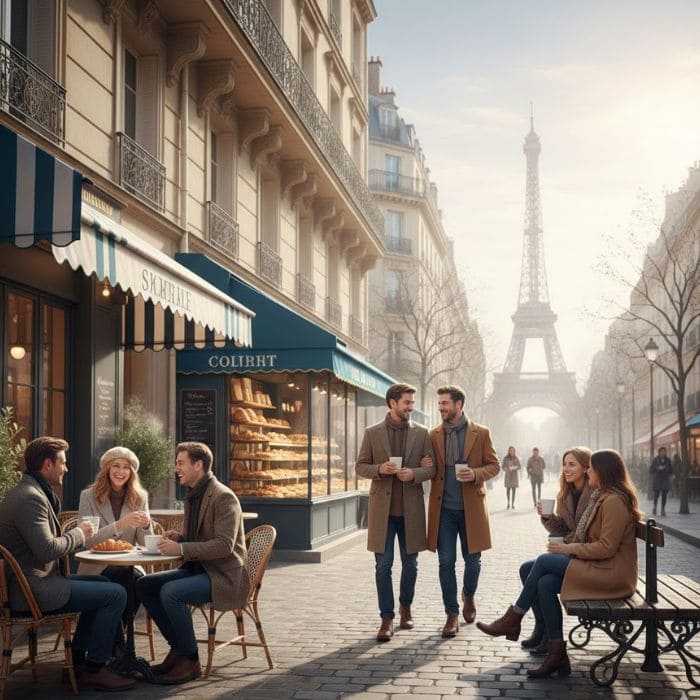
Cafés spilled onto sidewalks, couples leaned into conversations, and street musicians filled the air with melodies that made even waiting at a crosswalk feel cinematic.
Paris felt alive in a way that was familiar and new at the same time.
My Budget and the Plan I Thought Would Hold
Before leaving, I set a clear budget for the trip. I planned to spend €1,200 total for five days, including accommodation, food, transport, and small experiences.
The plan felt realistic. I had chosen a modest place to stay, committed to walking as much as possible, and promised myself I would eat simply most of the time.
For the first two days, everything stayed on track.
I walked endlessly along the Seine, crossed bridges without checking maps, and spent hours simply watching people read, talk, and exist.
I ate croissants on park benches and drank coffee slowly, letting the city unfold rather than chasing it.
A Bakery That Was Worth the Detour
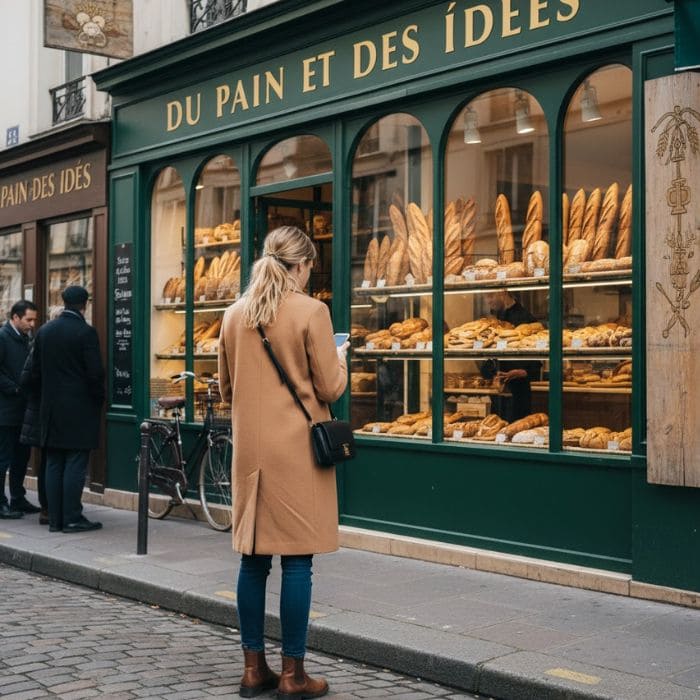
One morning, I visited Du Pain et des Idées, a bakery I had heard about for years.
It sits on a quieter street, away from the heaviest tourist flow, and the moment you step inside, you feel the weight of tradition rather than trend.
I ordered a pistachio escargot and a classic pain des amis, both still warm, and stood near the window eating slowly while watching locals come and go.
The cost was modest, around €6, but the experience felt luxurious in a way that had nothing to do with price.
When Things Changed Suddenly
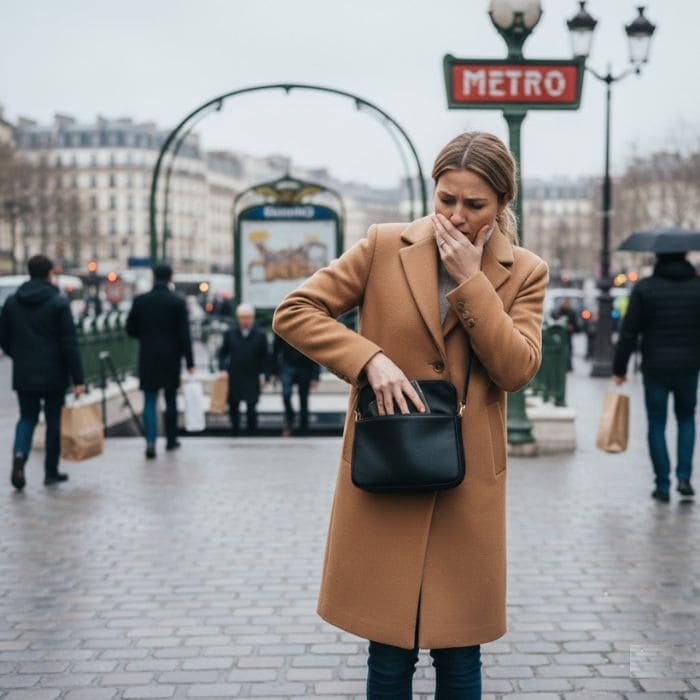
Later that afternoon, while walking through a crowded area near a metro station, I felt a light bump, barely noticeable, the kind you ignore in a busy city.
A few steps later, I reached for my bag and realized my wallet was gone. I had been pickpocketed.
Inside that wallet were about €180 in cash, my transport card, and some personal items. While my passport and phone were safe, the loss hit harder than the number suggested. It disrupted my sense of control.
Suddenly, my carefully planned budget was no longer intact.
The Emotional Cost of Losing Money While Traveling
What surprised me most was not the financial impact, but the emotional one.
I felt embarrassed, not because of the loss itself, but because I pride myself on being careful. I replayed the moment repeatedly, questioning my awareness, my decisions, my assumptions.
That evening, instead of sitting at a café as planned, I walked for hours, processing what had happened and recalculating my remaining funds.
After replacing essentials and adjusting plans, I realized my trip would exceed my original budget by at least €200 to €250.
The Unexpected Idea That Changed Everything
The next day, while sitting near Montmartre, I watched street performers gather small crowds with guitars, violins, and quiet confidence.
People stopped, listened, smiled, and dropped coins or small bills into open cases. That was when an unexpected idea crossed my mind.
I do sing, quietly, privately, never with an audience in mind. But something about that moment, the openness of the space and the generosity of strangers, made the idea feel less intimidating.
I noticed a musician nearby taking a break and, after a brief conversation, I asked if I could borrow his guitar for a short while. He agreed with a smile, more amused than skeptical.
Singing in Paris Was Not About Money
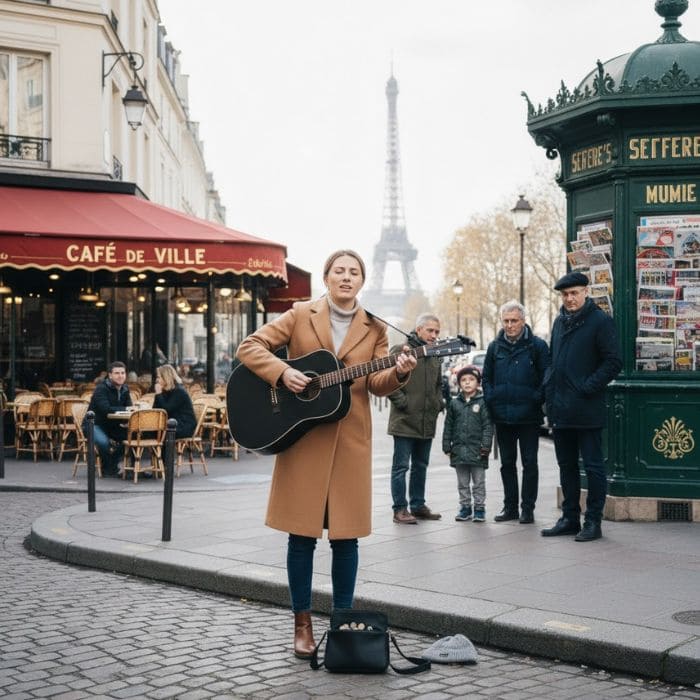
Standing there, holding that guitar, my hands were shaking. I chose a simple song, nothing dramatic, something familiar and gentle. I sang softly, without expectation, without performance.
People stopped. Some listened briefly, some stayed longer. A few smiled, while a few dropped coins or small notes into a hat someone placed nearby.
In less than an hour, I had collected around €70. It was not a fortune but it did something far more important.
That experience reminded me that travel is not just about planning perfectly. It is about adapting when things go wrong.
I did not sing to recover money. I sang to recover confidence. The donations were a gesture of kindness, a reminder that people are often more generous than we expect.
That hour changed the tone of the rest of my trip.
I stopped feeling like something had been taken from me and started feeling like I was still part of the city, still capable of shaping my experience.
How the Trip Ended Differently Than Planned
The rest of the trip unfolded more gently. I adjusted my spending, ate more simply, walked more, and focused less on plans and more on presence.
Paris, in return, felt warmer, less distant, and more human. I left the city slightly over budget, yes, but richer in a way that numbers do not capture.
Budget travel is about flexibility, awareness, and resilience. Things will go wrong, money will disappear, and plans will shift. What matters is how you respond.
That trip to Paris reminded me that staying calm, creative, and open often matters more than sticking perfectly to a spreadsheet.