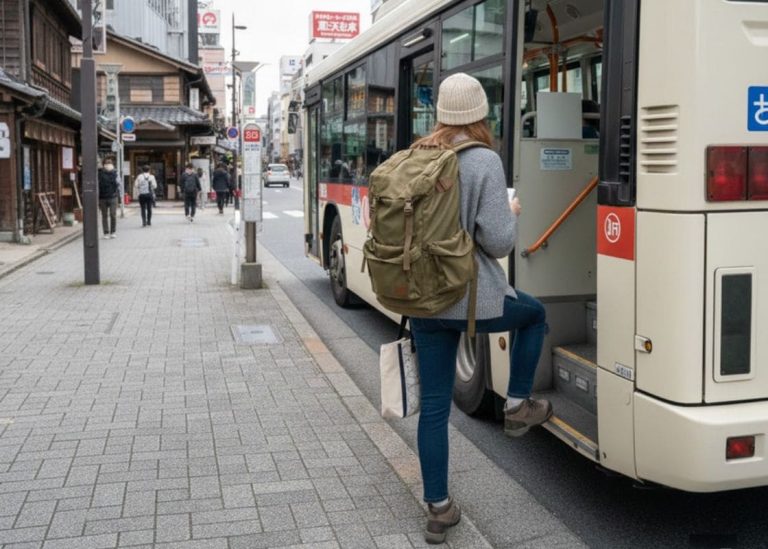
The Medicines I Always Carry When Traveling
When people talk about preparing for travel, they usually focus on flights, accommodation, packing clothes, or planning itineraries. Very few people talk honestly about health preparation, especially when traveling on a budget. I used to be one of them. I assumed that if something went wrong, I would figure it out when I got there….
When people talk about preparing for travel, they usually focus on flights, accommodation, packing clothes, or planning itineraries.
Very few people talk honestly about health preparation, especially when traveling on a budget.
I used to be one of them. I assumed that if something went wrong, I would figure it out when I got there. But my belief changed.
When you are traveling, especially without comprehensive travel insurance, small health issues can turn into large, unnecessary expenses very quickly.
Why I Take This Seriously Now

In many countries, seeing a doctor or visiting a hospital without insurance can be expensive, confusing, and stressful, especially when you do not speak the language well.
Even something as simple as food poisoning, a fever, or stomach pain can lead to long waiting times and unexpected bills.
I learned that preventing a hospital visit is often easier than managing one abroad.
Most travel health problems are minor, but they feel much bigger when you are far from home, tired, and unfamiliar with local systems. Carrying basic medicine gives you time, comfort, and control.
The First Category: Pain and Fever Relief

Pain does not wait for convenient timing. Headaches, muscle aches, menstrual pain, or mild fevers can appear after long flights, poor sleep, or changes in routine.
I always carry a basic pain reliever that I know my body tolerates well. I never experiment with new medication while traveling.
This small choice matters because pharmacies abroad may carry different brands or dosages, and instructions may not be in a language I understand.
Having familiar pain relief allows me to rest properly and avoid unnecessary medical visits for something manageable.
Digestive Issues Are the Most Common Travel Problem

If there is one category of medicine I never skip, it is digestive support.
Changes in food, water, climate, and eating schedules often affect digestion, even in countries with excellent hygiene standards.
I have experienced bloating in India, mild food poisoning, constipation, and sudden diarrhea while traveling, and none of those situations were enjoyable.
I carry medication for diarrhea, something to ease stomach cramps, and oral rehydration salts. These are small items that take almost no space but can make a huge difference.
Dehydration happens faster than people expect, especially in hot climates, and rehydration salts help restore balance gently.
This preparation alone has saved me from at least two hospital visits.
Cold, Flu, and Allergy Support
Airplanes, public transport, and shared spaces expose you to many germs. Even short trips can trigger sore throats, runny noses, or mild flu-like symptoms.
I pack medication for cold symptoms, including something for congestion and something soothing for the throat.
I also bring allergy tablets, even if I do not have strong allergies at home. New environments introduce new triggers, such as pollen, dust, or air pollution, and reacting for the first time abroad is not ideal.
These medicines allow me to manage symptoms early, before they worsen or affect my entire trip.
Motion Sickness and Sleep Adjustment
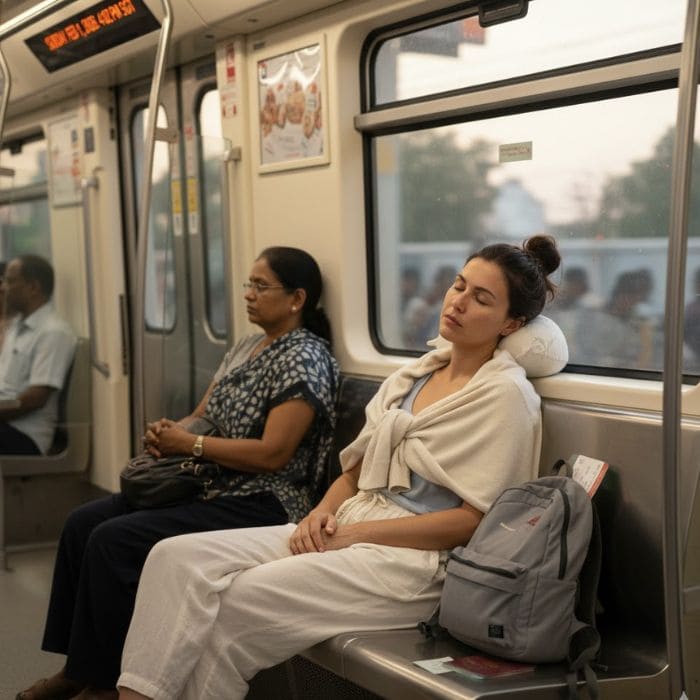
Long journeys can disrupt the body in unexpected ways. Even people who never experience motion sickness at home can feel nauseous on boats, buses, or winding mountain roads.
I carry motion sickness tablets because they give me freedom. I do not want to avoid certain transport options simply because I feel unwell.
Sleep is another issue. Time zone changes and unfamiliar beds affect rest more than people admit.
I do not rely on strong sleep medication, but I carry mild options that help my body adjust gently when needed.
Good sleep reduces illness risk, which indirectly saves money.
Skin Problems and Minor Injuries
Cuts, blisters, insect bites, and skin irritation are common while traveling. Walking more than usual, new shoes, heat, or humidity can cause discomfort quickly.
I carry antiseptic wipes, small bandages, blister patches, and a mild cream for rashes or insect bites. These are simple items, but without them, minor issues can worsen and become infected.
Prescriptions and Personal Medication
If you take prescription medication regularly, this part matters deeply.
I always bring enough medication for the entire trip, plus a small extra buffer in case of delays.
I keep them in original packaging whenever possible, with a copy of the prescription or a doctor’s note if needed.
Many people assume they can simply visit a pharmacy at their destination. Sometimes this works, but sometimes it does not.
Language barriers, unfamiliar brands, different dosages, and unclear instructions create unnecessary stress when you are already unwell.
I prefer to remove that uncertainty entirely by carrying what I know works for me.
How I Pack Medicine Without Overpacking
My travel medicine kit fits into a small pouch. I do not carry everything, only what I know I might realistically need based on experience.
I review it before every trip and adjust depending on destination, climate, and length of stay.
This habit takes less than fifteen minutes and saves both money and stress.
Final Reflection
Traveling is meant to expand your life, not complicate it. Preparing basic medicine makes you free.
When you carry what you need, you are less likely to panic, less likely to overspend on emergency care, and more likely to enjoy your trip with confidence.
Especially when traveling on a budget or without insurance, this preparation is responsible.
I travel often, and I have learned that peace of mind weighs almost nothing in your bag, but it is worth more than any souvenir you could buy.