My Habit to Refuse Daily Hotel Cleaning
I started refusing daily hotel cleaning about three years ago, right after the COVID-19 pandemic. Hotels were reopening, routines were changing, and I was traveling again with a heightened awareness of space, surfaces, and unnecessary contact. Saying “no housekeeping today” felt like the simplest decision in the world. How This Habit Began Without Much Thought…
I started refusing daily hotel cleaning about three years ago, right after the COVID-19 pandemic.
Hotels were reopening, routines were changing, and I was traveling again with a heightened awareness of space, surfaces, and unnecessary contact.
Saying “no housekeeping today” felt like the simplest decision in the world.
How This Habit Began Without Much Thought
Before the pandemic, I accepted daily hotel cleaning automatically.
Fresh towels, made beds, and restocked toiletries felt like part of what I paid for, even if I barely noticed the difference from day to day.
I would leave the room in the morning and return in the evening to a reset space, without questioning the process behind it.
After travel resumed post-pandemic, something shifted. I stayed in a small hotel for a few nights and saw a sign offering guests the option to skip housekeeping.
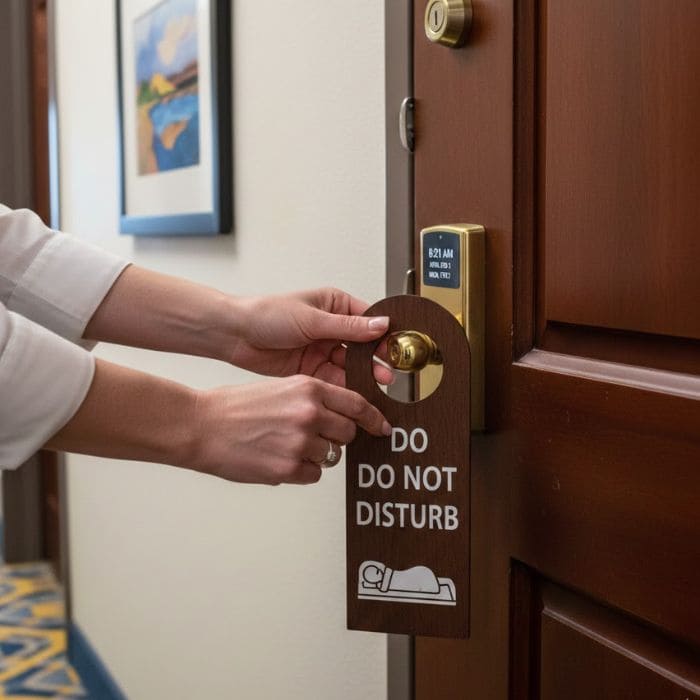
I hung the “Do Not Disturb” sign without hesitation, thinking mostly about limiting contact and reducing disruption.
When I returned that evening, the room looked exactly as I left it, and I realized something surprising. I did not miss the cleaning at all.
What Daily Cleaning Actually Involves
Once I started skipping daily housekeeping, I became more aware of what it normally requires.
Clean towels every day mean washing, drying, and transporting heavy loads of laundry. Bedsheets get replaced even when they have been used for only one night.
Floors are vacuumed, bathrooms are wiped down with chemical cleaners, and single-use toiletries are restocked regardless of whether they were finished.
None of these actions are inherently bad, but doing them daily for every occupied room adds up quickly, especially in large hotels with hundreds of guests.
Water usage, electricity, detergent, labor, and plastic waste all increase because of a routine that many guests do not actually need.
What Changed in My Daily Hotel Routine
Refusing daily cleaning required one small adjustment on my part, which was being slightly more mindful of my space.
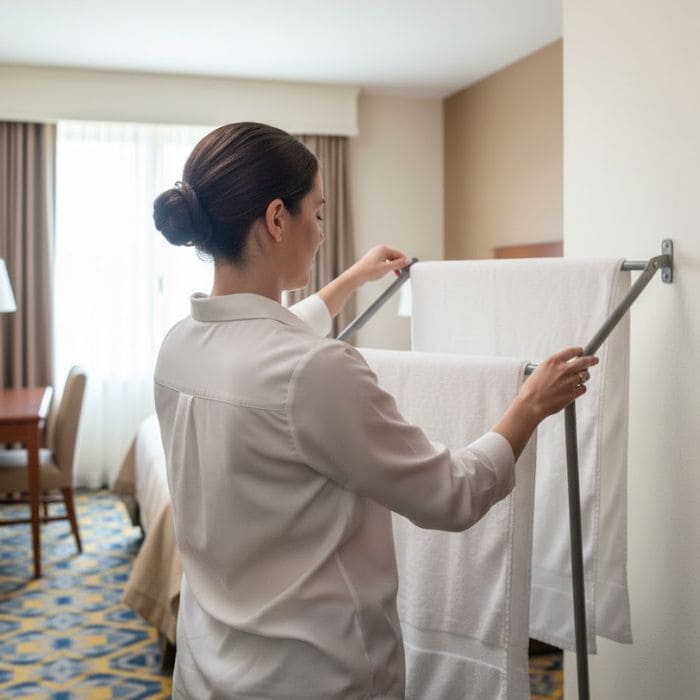
I started hanging towels to dry instead of dropping them on the floor. I kept my suitcase organized so the room stayed tidy. I wiped small spills myself using a cloth or tissue.
I realized that I do not deep-clean my own bedroom every day, so expecting that level of service while traveling suddenly felt unnecessary.
The First Time I Felt Slightly Awkward
The first few times I refused housekeeping, I worried it might seem rude or ungrateful, especially in places where hospitality culture is strong.
I wondered whether staff would think I was being difficult or cheap. That concern disappeared quickly.
In reality, most hotels are very familiar with this request now. Some even encourage it openly, offering small incentives like drink vouchers or loyalty points.
Staff members often appreciated the reduced workload, especially during busy seasons when rooms turn over quickly.
Refusing daily cleaning turned out to be far less socially complicated than I imagined.
The Environmental Impact I Could No Longer Ignore
Gradually, this habit became less about health concerns and more about environmental awareness. Hotels consume enormous amounts of water and energy, and laundry is one of the biggest contributors.
Washing towels and sheets daily for one guest can use dozens of liters of water per room, per day.
Multiply that by hundreds of rooms, and the numbers become significant. By simply reusing towels and sheets for a few days, I was reducing my share of that demand.
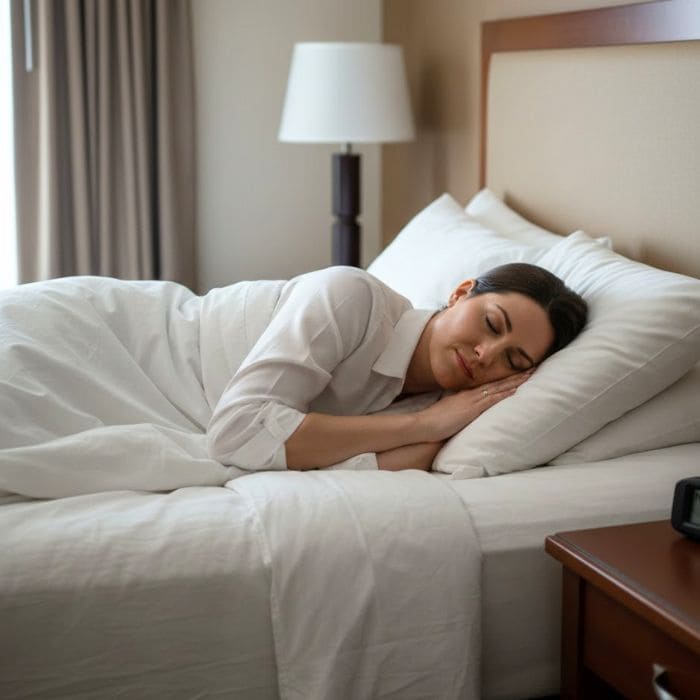
Something else changed as well, my hotel stays became quieter.
Without daily housekeeping, there were fewer interruptions. I see no knocks on the door, no pressure to leave the room early, and of course no sense of being rushed so cleaning could happen.
That sense of continuity made travel feel calmer, especially on longer stays. I slept better. I unpacked more comfortably. I felt less like I was passing through and more like I was settling in.
What I Do on Longer Stays
For stays longer than three or four nights, I usually request a mid-stay cleaning rather than daily service. Fresh sheets once a week feel more than sufficient, and towels can be refreshed as needed.
I communicate this clearly with the front desk, and I have never had an issue.
Most hotels are flexible, and many already operate on reduced housekeeping schedules unless guests request otherwise.
This approach balances cleanliness, comfort, and sustainability without creating inconvenience for anyone involved.
There are exceptions. If I am staying somewhere very briefly, or if the environment is particularly humid or dusty, I sometimes accept daily cleaning without guilt.
The key difference now is that daily cleaning is no longer the default. It is a choice I make consciously.