I Replaced Commercial Laundry Detergent With My Own Recipe
Laundry detergent was never something I planned to question. For years, it sat quietly on my shelf, a large plastic bottle I replaced every few weeks without thinking much about what was inside or where it went after each wash. I chose familiar brands, usually whatever was on promotion, and assumed that strong scent meant…
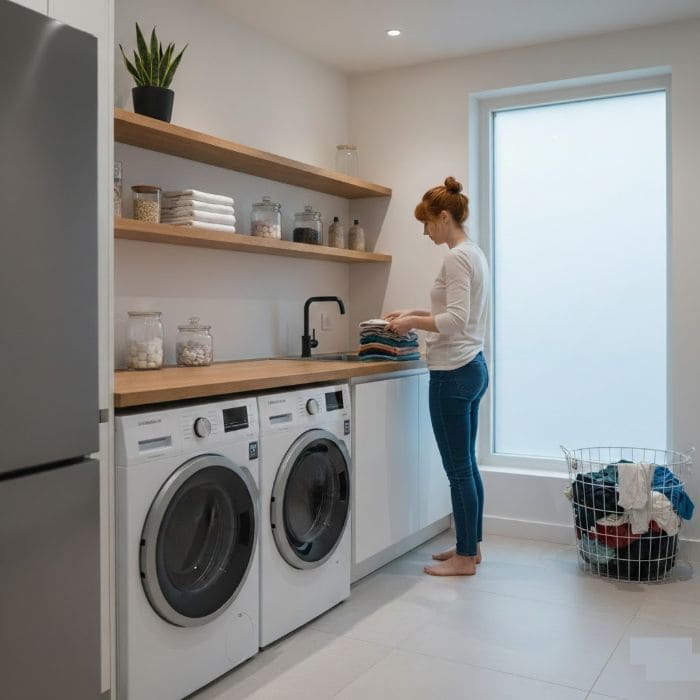
Laundry detergent was never something I planned to question.
For years, it sat quietly on my shelf, a large plastic bottle I replaced every few weeks without thinking much about what was inside or where it went after each wash.
I chose familiar brands, usually whatever was on promotion, and assumed that strong scent meant clean clothes.
The decision to replace detergent did not come from a sustainability challenge or an online trend.
It came from daily discomfort, quiet curiosity, and eventually frustration that pushed me to experiment slowly and carefully until I found something that actually worked for my life.
What Made Me Start Looking at Detergent Differently

I do laundry about two to three times per week, mostly work clothes, towels, bedsheets, and casual wear.
Gradually, I noticed that freshly washed clothes often felt stiff, towels absorbed less water, and my skin felt dry and itchy, especially after sleeping on freshly washed sheets.
At first, I blamed water hardness and weather. Then one evening, while pouring detergent into the machine, I finally read the label properly and realized how little information it actually provided.
There were vague terms, fragrance descriptions, and nothing I could clearly understand or control.
Then I decided I wanted something simpler, even if it meant trial and error.
The First Recipe I Tried and Why It Failed
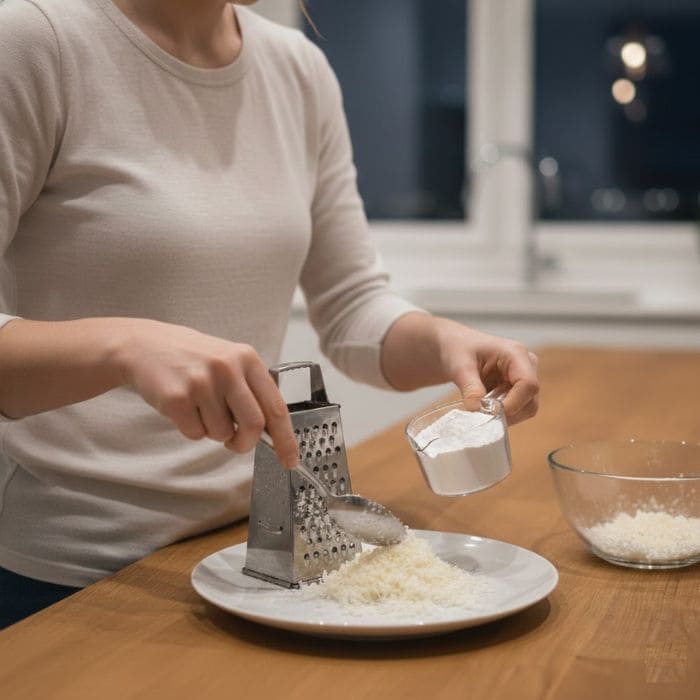
My first attempt was not successful. I followed a common online recipe using grated bar soap and baking soda, mixed roughly in equal parts.
I used 2 tablespoons per load, exactly as instructed, and washed a normal mixed load of clothes.
After three washes, I noticed white residue on dark clothes, towels felt stiff, and there was a dull layer on cotton fabrics.
That was when I learned an important lesson. Baking soda is not strong enough to clean laundry on its own, especially in moderately hard water like mine.
What I Learned About the Ingredients
I learned that soap removes dirt by binding to it, but in hard water, it can leave residue. Baking soda softens water slightly but does not break down oils effectively.
Washing soda, however, raises the pH enough to help remove grease, sweat, and odor.
Once I replaced baking soda with washing soda, everything changed.
The Exact Laundry Recipe I Use Now
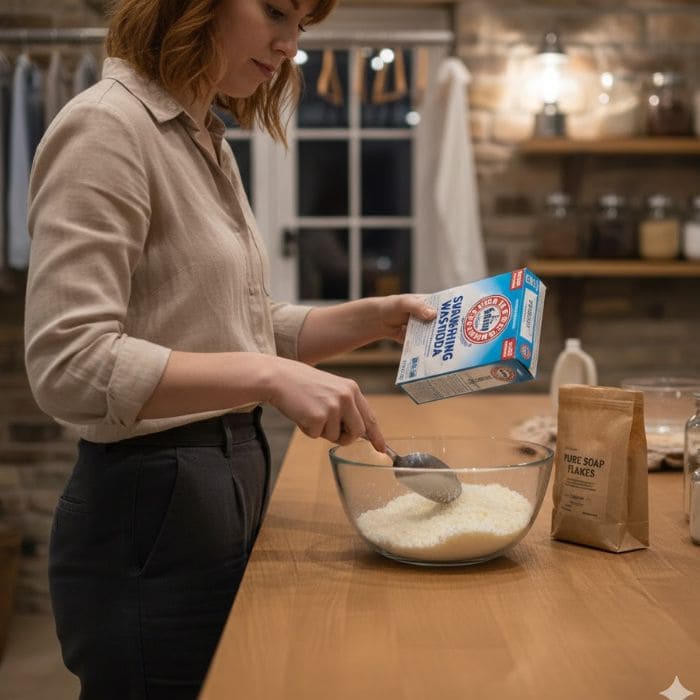
This is the recipe I have used consistently for over a year, adjusted through experience.
Ingredients (Monthly Use)
- Washing soda: 1 standard 55 oz (1.56 kg) box
- Pure soap flakes (unscented castile soap): about 250 grams
This combination lasts me about 4-5 weeks, washing roughly 10-12 loads per week.
Cost Breakdown (Approximate)
- Washing soda: $4-5 per box
- Soap flakes: $6-7 per 250 g
My total monthly cost is around $4-5, compared to $15-20 previously spent on liquid detergent.
How I Measure Per Load (Very Important)
Per standard load, I use 2 tablespoons of washing soda and 1 tablespoon of soap flakes
For heavily soiled laundry, such as towels or workout clothes, I increase washing soda to 2.5 tablespoons, never increasing the soap.
I dissolve both in about 1 cup of warm water before adding to the detergent drawer, which prevents residue buildup.
I use a front-loading washing machine, which matters.
- Normal clothes: 30-40°C (86-104°F)
- Towels and bedding: 40-60°C (104-140°F)
- Spin: medium, never maximum
I avoid overloading the machine because homemade detergent works best when water can circulate freely.
Why I Do Not Use Essential Oils
I tested essential oils once, adding 5 drops of lavender oil to the mixture. The smell did not last, and my skin reacted slightly after sleeping on those sheets.
Then I stopped immediately.
After switching, I noticed changes within two weeks.
Towels became softer and absorbed water better. Sheets felt lighter and more breathable. Dark clothes stopped collecting residue. Most importantly, the skin irritation disappeared completely.
Machine Maintenance Changes
Since switching, I clean my washing machine differently.
Once every 4-6 weeks, I run an empty cycle at 60°C (140°F) with 1 cup of white vinegar in the drum. I do not mix vinegar with washing soda in the same cycle.
The detergent drawer stays cleaner, and there is no sticky buildup inside the machine.
But I want to be honest.
For extremely greasy fabrics or heavy stains, I sometimes use a small amount of commercial detergent or spot-treat stains with liquid soap. Sustainability, for me, allows exceptions when needed.
What matters is that most of my laundry no longer relies on plastic bottles or harsh chemicals.
The Environmental Difference I Can See
I no longer buy large detergent bottles every month. Over a year, that eliminated 10–12 plastic containers from my household.
The wastewater leaving my home contains fewer synthetic fragrances and surfactants, which aligns better with my values, even if I cannot measure the exact impact.