I Find Cheap Flight Tickets After Many Flights
Every year, I take more than fifteen flights. Sometimes for work, sometimes to visit friends, sometimes simply because I needed to step away from my routine and see a different skyline. For a long time, I didn’t track how much I was spending on flights. I booked when I needed to go, paid what the…
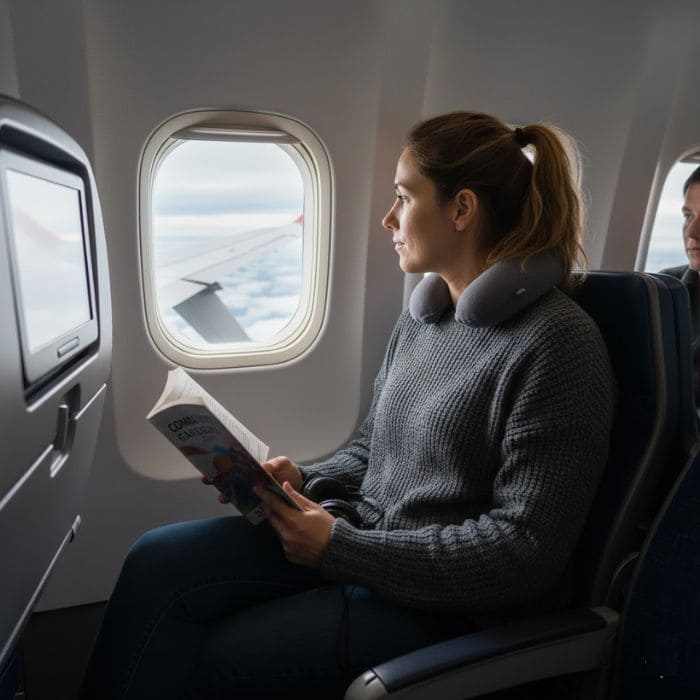
Every year, I take more than fifteen flights. Sometimes for work, sometimes to visit friends, sometimes simply because I needed to step away from my routine and see a different skyline.
For a long time, I didn’t track how much I was spending on flights. I booked when I needed to go, paid what the screen showed me, and moved on.
Then some years ago, while reviewing my annual expenses, I added up my travel costs. The number shocked me.
I had spent several thousand dollars on flights alone without luxury hotels. That moment forced me to pause and ask myself a simple question: Is this really the best way to spend my money?
What about you?
Have you ever added up how much you spend on flights each year? Most people don’t. Flights feel temporary, necessary, and unavoidable. But when you travel often, even small price differences add up quickly.
Flying Often Changes How You Think About Money
When you fly occasionally, price differences don’t feel important. Paying an extra $80 or $120 seems reasonable.
But when you fly fifteen or more times a year, those small differences multiply. Suddenly, timing, flexibility, and planning matter.
I don’t chase the absolute cheapest flight at any cost. I value safety, reasonable schedules, and my own energy.
But I refuse to overpay simply because I didn’t plan well. Cheap flight tickets are not about luck, they’re about understanding patterns.
What Days I Actually Book Flights

I usually search for flights on Tuesday or Wednesday, and I often book on those days as well. Prices tend to stabilize mid-week.
Mondays are chaotic because airlines adjust after weekend demand. Fridays and Sundays are packed with people planning or returning from trips.
I don’t obsess over this rule, but if I have flexibility, mid-week searches consistently give me better options and less inflated prices.
The Time of Day I Search Matters More Than People Think
I used to search for flights late at night after work, it’s a big mistake.
Now, I search early in the morning, usually between 6:00 AM and 9:00 AM. Prices feel cleaner, fewer sudden spikes appear, and the system hasn’t reacted yet to heavy daily traffic.
This habit alone saved me money over time, simply because I stopped searching when demand was artificially high.
How Far in Advance I Book Flights
People love extremes such as booking super early or waiting until the last minute.
Real life doesn’t work that way. From my experience:
- Domestic flights: I usually book 6 to 8 weeks in advance
- International flights: I aim for 8 to 12 weeks ahead
Booking too early sometimes means paying premium prices before airlines adjust, while booking too late usually means paying for urgency.
The sweet spot is planning early enough to have choices, but not so early that you pay for uncertainty.
The Tool I Use Every Single Time: Google Flights
I don’t jump between dozens of booking sites anymore, I start with Google Flights, every time.
With Google Flights, I can see price trends clearly, I can compare multiple dates easily , and of course I can set alerts and wait instead of rushing.
I use Google Flights to understand the range, not just one price. Once I see what’s reasonable, I decide whether to book or wait. This tool removed emotion from my decisions and replaced it with clarity.
Avoiding Peak Travel Times Changed Everything

One of the biggest lessons I learned is this: when you travel matters more than where you go.
I avoid peak travel seasons whenever possible, not because I don’t like crowds, but because prices during peak times are simply inefficient.
For example, instead of flying to Europe in July or August, I prefer late September or early October. The weather is still pleasant, crowds are smaller, and flight prices drop noticeably.
The experience is often better, and the cost difference can be hundreds of dollars. That money stays in my savings or gets spent on experiences instead of transportation.
Packing Smart Saves More Than You Think

Checked baggage fees quietly destroy travel budgets. Now, I pack strategically based on the season.
For warm destinations, I pack lightweight clothing, neutral pieces I can mix and match and one pair of versatile shoes
I almost always travel with a carry-on only, no checked bag. Therefore, I don’t have to pay any extra fees.
For these trips, I plan outfits carefully: ear my heaviest coat and boots during the flight, pack compressible layers and use packing cubes to reduce volume
Sometimes, I do pay for a checked bag, but only when it truly makes sense. I factor it into the total cost before booking, no surprises.
When airlines offer bundles that include checked baggage, I pay attention. Sometimes, the bundled price is actually cheaper than booking separately. I compare carefully.
This habit saved me from paying inflated baggage fees at the airport, which always feel frustrating and unnecessary.
Flexibility Is the Real Secret
If I had to name one skill that saves me the most money, it’s flexibility.
I don’t always fly on Fridays. I don’t always return on Sundays. I adjust by one day when possible. That flexibility often drops prices significantly.
When you travel often, flexibility becomes a financial advantage, not an inconvenience.
Travel is one of the few expenses that brings me perspective, rest, and growth. Instead of giving it up, I want to do it smarter.
By paying attention to timing, tools, seasons, and packing, I reduced my travel costs without reducing my travel life.
If you’re someone who travels even a few times a year, these habits can make a real difference. And if you travel often like I do, they can quietly save you thousands over time.