How to Control My Window Shopping Successfully
I have to admit honestly, for many years, I was addicted to window shopping. Not the quiet kind where you stroll past a few stores and go home. I mean real, scheduled, emotionally charged window shopping that happened almost like a ritual. Every week, sometimes even three times a week, my two best friends, Annie,…

I have to admit honestly, for many years, I was addicted to window shopping.
Not the quiet kind where you stroll past a few stores and go home. I mean real, scheduled, emotionally charged window shopping that happened almost like a ritual.
Every week, sometimes even three times a week, my two best friends, Annie, Sasha, and I would meet after work and walk along Newbury Street, one of those streets where fashion feels alive and constantly new.
We did not always plan to buy something, at least that is what we told ourselves at the beginning. But whenever a store released a new collection, we were attracted.
We were often among the first customers inside, touching fabrics, trying things on, laughing, and convincing each other that this piece was different, that this one was worth it, that we deserved it.
And honestly, I spent a large amount of money during those years.
Why Window Shopping Felt So Hard to Let Go

Window shopping was never just about clothes for me. It was stress relief, connection, and the way I decompressed after long workdays.
Walking, talking, laughing with friends while surrounded by beautiful things gave me a sense of escape that felt harmless.
That is why simply telling myself to stop never worked.
Whenever I tried to eliminate the habit completely, I felt restless and deprived. I missed the movement and the conversation.
When I Realized the Cost Was Too High

The moment of clarity did not come from guilt, but from numbers.
One year, when I reviewed my annual spending, I realized I had spent several thousand dollars on clothing and accessories that I barely remembered buying.
Some items still had tags on them, while others were worn once or twice.
The purchases felt small at the moment. One jacket here, one dress there, a pair of shoes that felt reasonable at the time. But repeated weekly, they added up faster than I expected.
That was when I stopped asking, “Can I afford this?” and started asking, “Is this habit serving me?”
The First Change That Actually Worked
The first solution I applied successfully was surprisingly simple. I did not quit window shopping. I limited it.
Instead of going three times a week, I allowed myself to go once a month.
This rule mattered because it respected reality. Window shopping helped me relax and connect with my friends, so removing it entirely would have failed.
Now, when we meet on that one allowed day, the experience feels different. I enjoy it more, and I buy far less.
How the Social Dynamic Changed

Something interesting happened after I limited window shopping. Annie and Sasha noticed it too, and of course, our conversations shifted.
Instead of rushing from store to store, we talked more. We stayed longer in cafés. Shopping became one part of the evening, not the main activity.
When you reduce frequency, you naturally reduce pressure. You are no longer chasing every new release. You stop feeling like you might miss something if you skip a week.
The Shift to Online Shopping and a New Kind of Risk
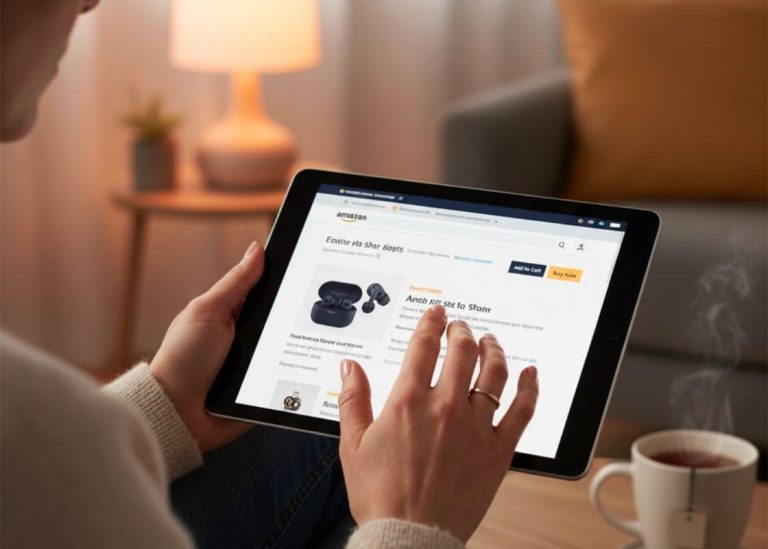
Like many people, I eventually turned to online shopping. At first, it felt safer because of no physical stores, no social pressure, and no sales assistants encouraging decisions.
But online shopping carries a different danger, it removes friction completely.
Late at night, after work, scrolling through collections became effortless. One click, one confirmation, and the purchase was done. Packages arrived days later, sometimes containing items I barely remembered ordering.
That is when I realized that online shopping needed its own boundary, not just physical shopping.
This is where the 3-day rule, which I shared in a previous post, became essential.
Whenever I want to buy something online that is not a clear necessity, I wait three full days before purchasing. I do not add it to my cart or bookmark it obsessively, I just write it down and step away.
Applying this rule to online shopping dramatically reduced the number of impulsive purchases I made, especially late at night when decision fatigue is highest.
See more: The 3-Day Rule That Completely Changed the Way I Shop
What I Do Instead of Window Shopping Now
I still walk, I still meet my friends, and I still enjoy fashion. But I replaced frequent window shopping with alternatives that give me the same relief without the financial impact.
Sometimes we walk in neighborhoods instead of shopping streets. Sometimes we visit bookstores, galleries, or parks. Sometimes we simply sit and talk.
If you love shopping, you do not need to hate yourself for it. You do not need extreme rules, just need awareness and structure that fits your life.
Ask yourself why you shop and ask yourself what it gives you. Then find a way to keep the feeling while reducing the cost.