How I Save Money by Giving Plastic Bottles a Second Life
I try very hard to limit plastic bottles in my daily life. I carry a reusable bottle, I avoid single-use drinks when I can, and I am conscious about what I buy. Still, plastic bottles appear. They come from milk, cleaning products, occasional packaged drinks, and things I cannot always control. At some point, I…
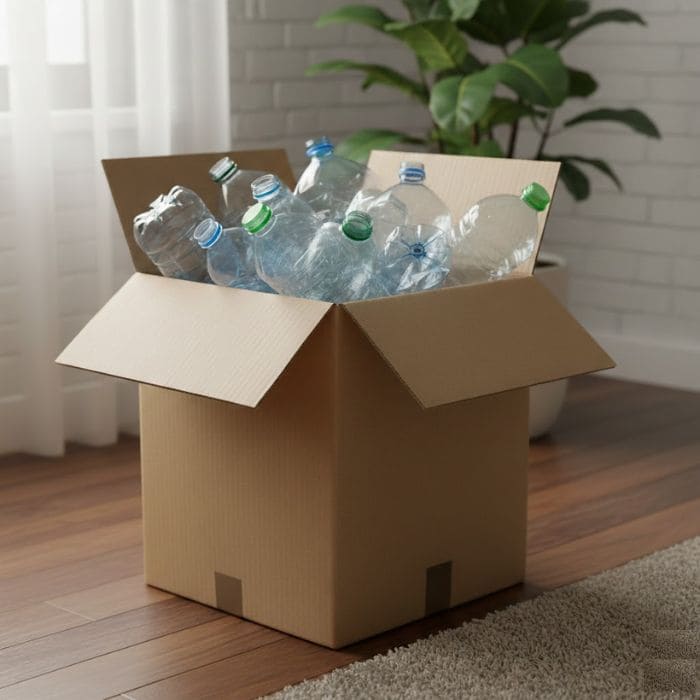
I try very hard to limit plastic bottles in my daily life. I carry a reusable bottle, I avoid single-use drinks when I can, and I am conscious about what I buy.
Still, plastic bottles appear. They come from milk, cleaning products, occasional packaged drinks, and things I cannot always control.
At some point, I stopped feeling guilty about their existence and started asking a different question: If these bottles are already here, why not give them a second life?
Instead of seeing plastic bottles as something to throw away, I started seeing them as free materials. Gradually, this habit quietly saved me money and gave me a surprising amount of satisfaction.
Why DIY With Plastic Bottles Makes Sense for Me
Living alone teaches you how quickly small purchases add up. Planters, storage containers, organizers, watering tools, even decorative items, all cost money.
Individually, they feel affordable. However, they become a quiet drain on your budget.
I realized that many of these items could be made from things I already had. Plastic bottles are lightweight, flexible, and surprisingly durable. They are easy to cut, easy to clean, and easy to adapt.
Doing DIY projects with plastic bottles is not about crafting perfection or showing off creativity. For me, it is about reducing waste, reducing spending, and making my home feel more intentional.
Things I Have Made From Plastic Bottles Over the Years
Before I tell one detailed story, I want to give you a sense of how often I actually use plastic bottles for DIY projects.
Here are some of the items I have made using plastic bottles:
- Planters for herbs and small plants
- Self-watering plant containers
- Small storage boxes for cleaning supplies
- Desk organizers for pens and cables
- Watering tools for indoor plants
- Simple scoops for soil or detergent
- Seed starters for gardening
- Containers for bulk food storage
How I Turn Milk Bottles Into Planters
One of my favorite projects started very simply, with empty milk bottles.
I drink milk regularly, and the bottles are sturdy, wide, and easy to work with. Instead of throwing them away, I rinsed them thoroughly and placed them under my sink.
Preparing the Materials
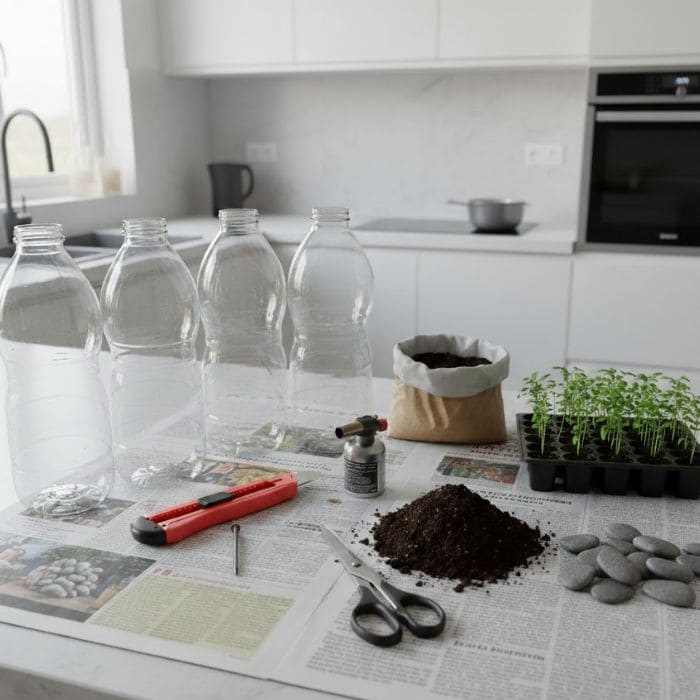
Before starting, I gathered everything I needed. I already had most of these at home.
- Empty milk bottles, cleaned and dried
- A utility knife and scissors
- A marker for marking cut lines
- A small nail or heated metal tool for drainage holes
- Potting soil
- Small stones for drainage
- Plant seedlings
I worked on my kitchen counter, laying down old newspaper so cleanup would be easy.
Cutting and Shaping the Bottles
I marked a horizontal line around each bottle, cutting it low enough to allow deep roots but high enough to hold soil securely.
Cutting plastic always requires patience so I went slowly, making sure edges were smooth and even.
Once cut, I used sandpaper lightly along the edges to avoid sharp corners. This small step makes a big difference in safety and appearance.
Creating Drainage
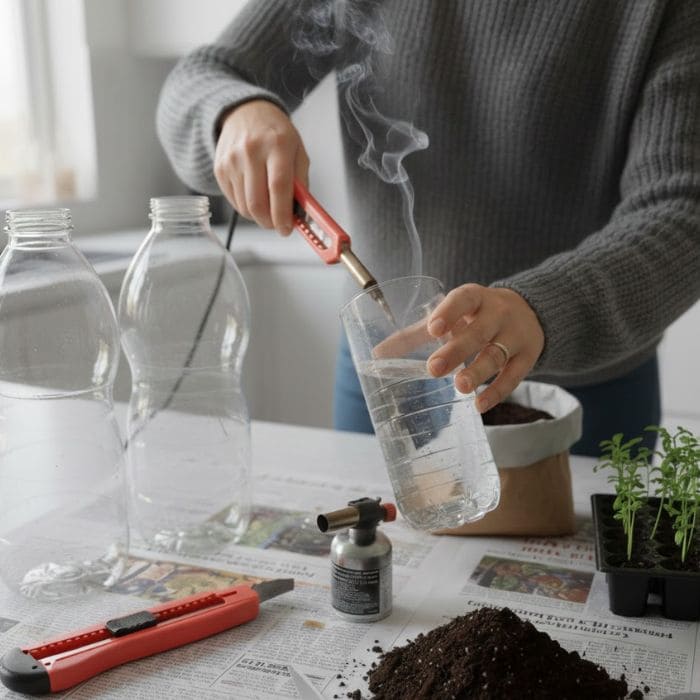
Drainage is essential. Without it, plants suffer quickly.
Using a heated drill, I carefully created several small holes at the bottom of each planter. I tested drainage by pouring a little water through, making sure it flowed freely.
This part reminded me why DIY teaches patience. When you rush, things break. When you slow down, they work better.
Planting and Growing
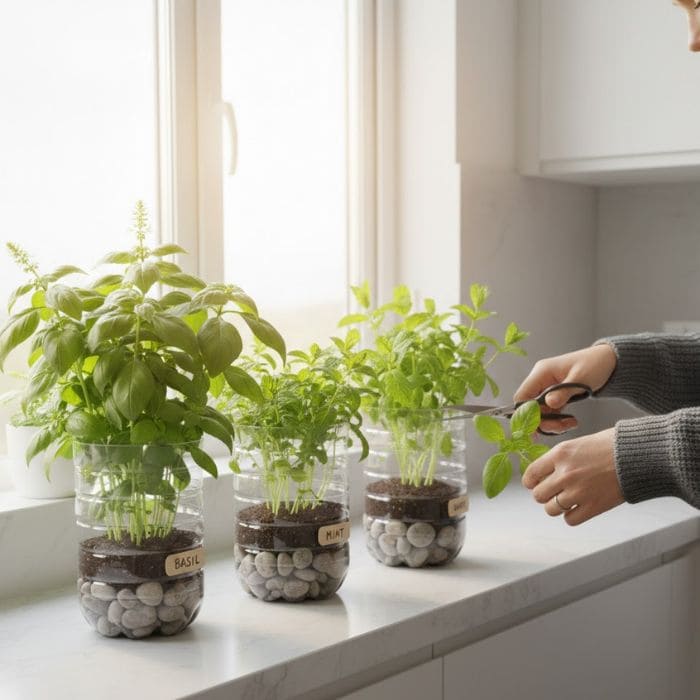
Inside these planters, I chose to grow basil and mint. Both plants thrive in containers, grow quickly, and are useful in daily cooking.
I layered small stones at the bottom, added soil, planted the seedlings, and watered lightly. Then I placed the planters near a sunny window in my kitchen.
Weeks later, those plants were thriving. I used fresh basil in my cooking, clipped mint for tea, and felt a quiet pride knowing those planters cost me nothing and reduced waste at the same time.
The Financial Impact Adds Up Quietly
People often underestimate how much money small DIY habits save over time. A planter from a store might cost ten or fifteen dollars. Multiply that by several plants, and suddenly you have spent more than you realized.
By reusing plastic bottles, I avoided those costs. More importantly, I became less likely to buy impulsively.
When you know you can make something yourself, you pause before purchasing.
When I Still Have Plastic Bottles Left
Even with DIY projects, there are times when plastic bottles accumulate faster than I can reuse them. That is when classification becomes important again.
I separate bottles based on material type, remove labels, rinse them thoroughly, and place them into recycling categories. Clean, sorted plastic is far more likely to be recycled properly than mixed waste.
A Quiet Lesson From Living Alone
Turning plastic bottles into useful items became a symbol of how I choose to live.
I do not aim to be perfect. Plastic still exists in my life. But by giving it a second life whenever possible, I reduce my footprint and protect my finances at the same time.
Plastic bottles taught me that small actions, repeated consistently, shape both your environment and your bank account.
If you already have plastic bottles in your life, maybe the question is not how to get rid of them, but how to let them serve you one more time before they leave.
For me, that shift made my home greener, my expenses lighter, and my daily life just a little more intentional.