Have You Ever Bought Something at the Airport?
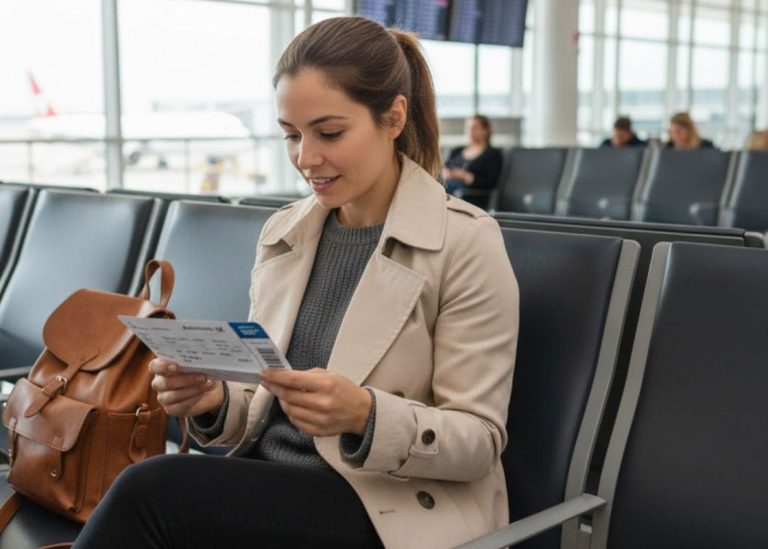
Have you ever walked through an airport with time to spare and told yourself that buying something would make the wait more pleasant, more exciting, or more productive. I used to do that all the time. Airports felt like strange in-between worlds where normal spending rules somehow did not apply, and I convinced myself that…
Have you ever walked through an airport with time to spare and told yourself that buying something would make the wait more pleasant, more exciting, or more productive. I used to do that all the time.
Airports felt like strange in-between worlds where normal spending rules somehow did not apply, and I convinced myself that buying a perfume, a snack, or a travel accessory was part of the travel experience itself.
It took several years of traveling, many receipts, and a few moments of quiet regret to understand that airport shopping is one of the easiest ways to overspend without realizing it.
My Airport Shopping Habit and Why It Felt Harmless
In my early years of frequent travel, airports felt stressful, noisy, and rushed, so buying something became a way to regain control.
I would arrive early, walk past duty-free stores, and tell myself that prices were lower because of tax-free labels, or that I deserved a small reward after a long week.
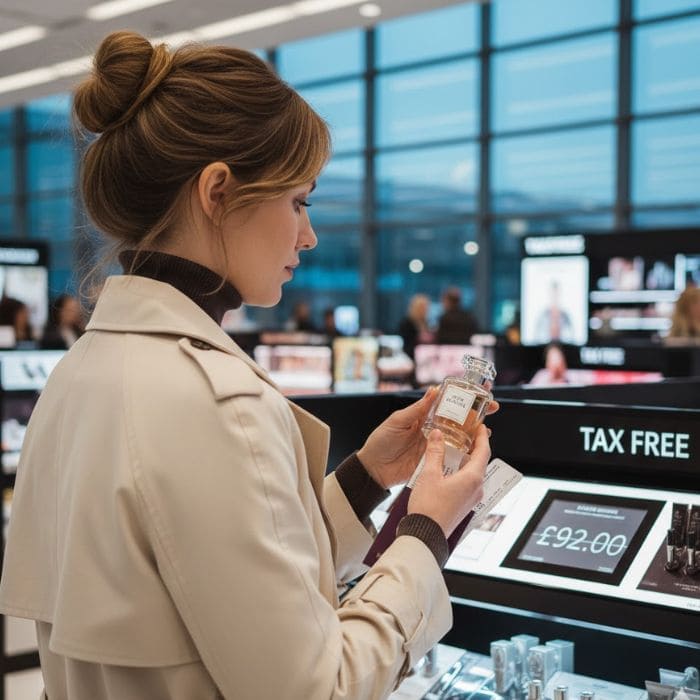
At Heathrow Airport, I once bought a bottle of perfume that cost £92, convincing myself it was cheaper than in the city.
A few weeks later, I found the same fragrance online for £75, delivered to my door, without carrying it through security or worrying about liquid limits.
At John F. Kennedy International Airport, I paid $6.50 for a small bottle of water and $14 for a basic sandwich that would have cost less than half that price outside the terminal.
At the time, it felt normal, almost expected, because everyone around me was doing the same thing.
What I did not notice then was how often these small purchases added up.
The Illusion of Duty-Free Savings
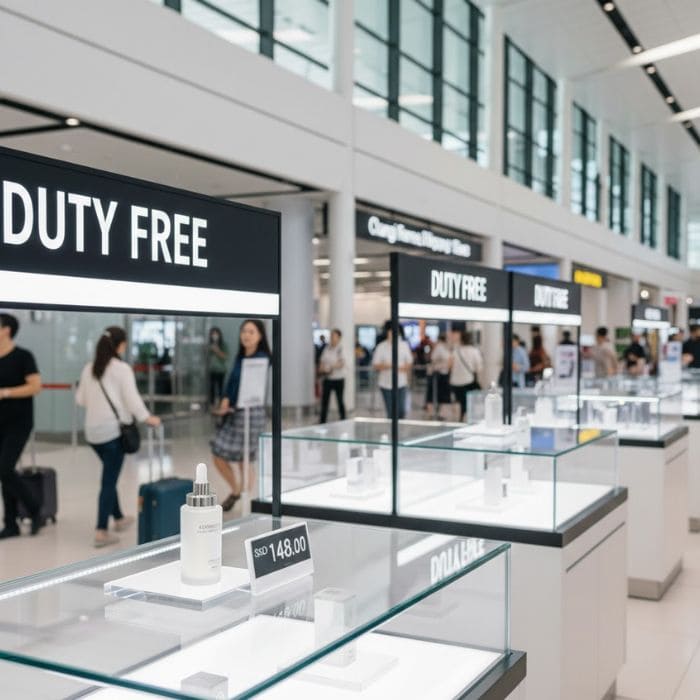
Duty-free shopping is one of the most convincing illusions in travel. The signs are bright, the branding is familiar, and the idea of tax-free pricing creates urgency.
I used to believe that buying cosmetics, alcohol, or chocolate at the airport was automatically a good deal.
At Changi Airport, I once saw a skincare serum priced at SGD 148, proudly labeled duty-free.
Later that same trip, I found it in a downtown pharmacy for SGD 128, and online for even less. The difference was not dramatic enough to feel shocking, but it was consistent enough to feel unnecessary.
What airports often sell is not savings, but convenience wrapped in urgency, and urgency is expensive.
Why Airports Make Us Spend More Than We Plan
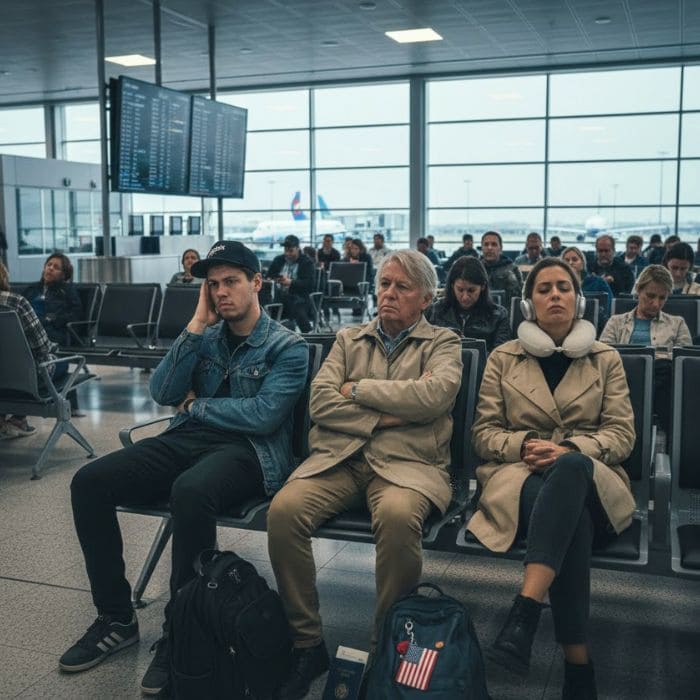
Airports are designed to lower resistance. You are already spending money on flights, luggage, and food, so another purchase feels insignificant in comparison.
Time pressure, boredom, and emotional fatigue all play a role.
When you are tired or anxious about a flight, your brain seeks comfort, and shopping provides a temporary sense of relief.
I realized that many of my airport purchases were not about need, but about distraction. Once I noticed that pattern, it became harder to ignore.
Food and Drinks: The Most Common Trap
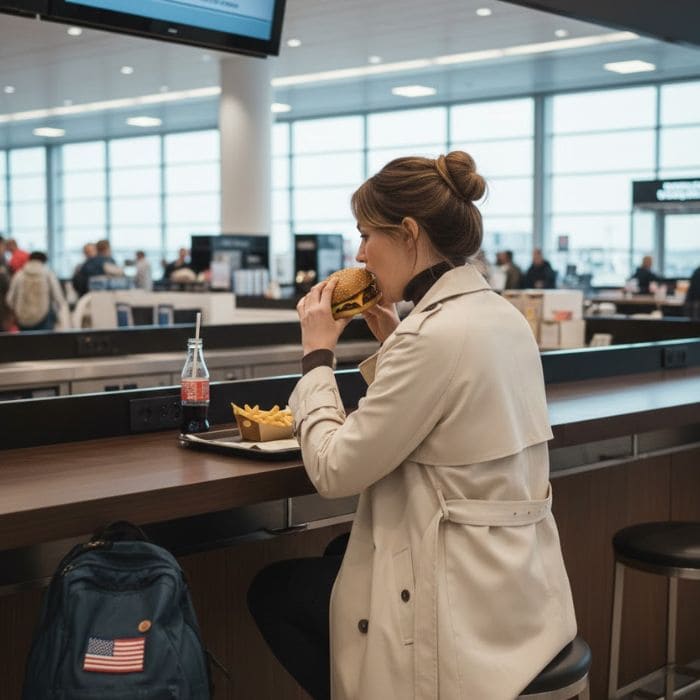
Food is where airport overspending feels most unavoidable. You cannot bring everything through security, and once you are airside, choices are limited.
Still, the price differences are real.
At Heathrow, I paid £4.80 for a coffee that tasted exactly like the one I usually buy for £2.50 outside. At JFK, a small bag of snacks cost me $7, something I would normally buy for $2.50 at a regular store.
These purchases did not ruin my budget in one trip, but repeated over dozens of flights, they quietly drained money that could have been used elsewhere.
The Turning Point That Changed My Habit
I realized I had spent almost $40 at the airport on food and small items alone, without even remembering what I bought.
That realization stayed with me. I began to see airport spending as invisible spending, money that leaves your account without creating lasting value or memory.
From that point on, I decided to approach airports differently.
I do not avoid airport shops entirely, but I no longer browse them aimlessly.
Before arriving at the airport, I eat a proper meal whenever possible, even if it means adjusting my schedule slightly. That single habit reduced my impulse to spend food dramatically.
I also carry an empty water bottle and fill it after security, which saves both money and frustration.
For long layovers, I bring a book or download content in advance, so boredom does not push me toward shopping.
When I do consider buying something, I ask myself one question: would I buy this if I saw it in a normal store tomorrow. If the answer is no, I leave it.
When Airport Shopping Actually Makes Sense
There are rare moments when buying something at the airport is reasonable. Emergency replacements, such as phone chargers or travel adapters, sometimes justify the higher price if you truly need them immediately.
Occasionally, local specialty products that are difficult to find elsewhere can be meaningful souvenirs, but even then, I limit myself to one intentional purchase rather than multiple impulse buys.
The difference is intention, not restriction.
Why Avoiding Airport Spending Fits Budget Travel So Well
Budget travel is not about refusing comfort. It is about choosing where your money creates the most value.
Airports are transition spaces, not destinations, and spending heavily there rarely improves the journey in a lasting way.
Once I stopped viewing airports as shopping zones, travel felt calmer.
I moved through terminals with purpose, saved money without effort, and arrived at destinations with more energy and more financial flexibility.