The Item I’ve Used for Years Instead of Upgrading
The item I’ve kept for years instead of upgrading is my iPhone 8, Space Gray, the 64GB version, the one Apple released in 2017. It is not the newest, not the fastest, and definitely not impressive by today’s standards, but it is still the phone I carry with me every single day. When people see…
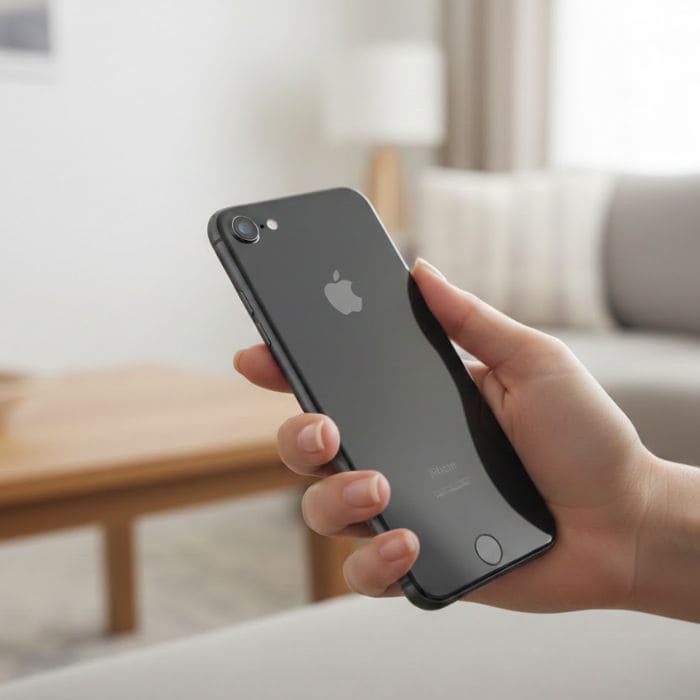
The item I’ve kept for years instead of upgrading is my iPhone 8, Space Gray, the 64GB version, the one Apple released in 2017.
It is not the newest, not the fastest, and definitely not impressive by today’s standards, but it is still the phone I carry with me every single day.
When people see it now, they usually notice it immediately. The home button gives it away. The thicker bezels frame the screen in a way newer phones no longer do.
The back glass has faint scratches that catch the light when I place it on the table, and the edges are softened from years of being held, slipped into bags, and rested on café counters.
This phone looks used, and that is exactly why I am still using it.
Why I Bought This Phone in the First Place
When I bought the iPhone 8, I did not buy it to make a statement. I bought it because my previous phone had stopped working reliably, and I needed something stable for work and daily life.
I chose a mid-range option rather than the newest flagship model, because even then, I felt uncomfortable paying over a thousand dollars for a device I knew I would mostly use for messages, maps, notes, and photos.
At the time, the iPhone 8 felt modern enough. It had a solid aluminum frame, a glass back that allowed wireless charging, and a camera that was more than good enough for everyday use.
I assumed, like everyone else, that I would replace it in a year or two.
The First Time I Considered Upgrading and Didn’t
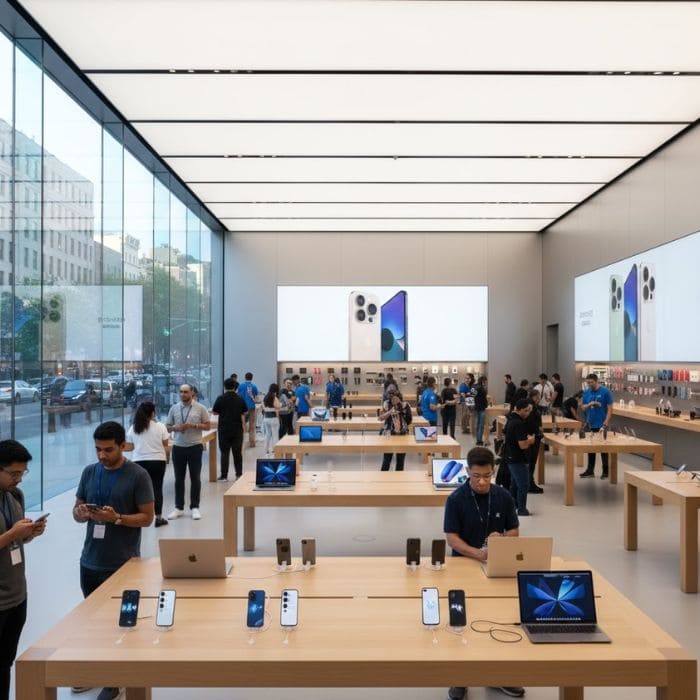
The first real temptation came when the next generation of phones was released.
Larger screens, face recognition, better cameras, more storage, and marketing that framed these upgrades as essential rather than optional.
My phone still worked perfectly. The battery lasted a full day. Apps opened without issues. Calls were clear. Photos were sharp enough for my needs.
There was no functional problem pushing me toward an upgrade, only the quiet pressure of comparison.
Instead of upgrading immediately, I decided to wait one month.
Living With a Phone That Is No Longer Current
As time passed, my phone became visibly outdated. New phones appeared with edge-to-edge screens, multiple camera lenses, and features I did not have.
Software updates became less frequent. Occasionally, an app would take an extra second to load. None of this actually disrupted my life.
I could still do everything I needed. Texting, navigation, reading, payments, emails, photos, all worked. The difference was not about functionality. It was about expectation.
I realized that my desire to upgrade had little to do with need and everything to do with novelty.
The Physical Reality of This Phone After Years of Use
The screen has a few light scratches, nothing deep enough to interfere with use, but enough to remind me that it is not new.
The battery has been replaced once, which restored its performance dramatically and cost a fraction of a new phone. The camera lens has tiny marks around the edge, but photos still come out clear.
The aluminum frame is slightly dulled where my fingers naturally rest.
The home button still works perfectly, even though many phones no longer have one. I actually like that physical button. It feels grounding in a way touch-only interfaces do not.
What I Learned About Phone Production
Phones like mine require rare earth metals, such as cobalt, lithium, and nickel, which are mined under conditions that often involve environmental destruction and human labor issues.
The manufacturing process consumes significant energy, and the global supply chain adds another layer of emissions before the phone even reaches a store shelf.
Even recycling does not recover most of these materials efficiently.
Once I understood that, upgrading felt different. Replacing a working phone no longer felt neutral. It felt like restarting an entire extraction and production cycle for marginal gains.
Keeping my phone suddenly felt like an environmental decision, not just a personal preference.
The Financial Side I Could Not Ignore
When I looked at the numbers honestly, the difference was clear.
Upgrading to a newer model would have cost me between $900 and $1,200, depending on storage and version. Replacing the battery cost me under $80, and a protective case cost less than $20.
By keeping this phone for years, I avoided at least one major purchase, possibly two. That money stayed available for things that mattered more to me, such as travel, savings, and peace of mind.
In addition, when the battery started draining faster, I replaced it.
When storage became tight, I cleaned out unused apps, old photos, and downloads instead of assuming I needed more capacity. When the phone slipped and scratched, I accepted it instead of rushing to replace it.
Each repair extended the phone’s life and reinforced the same lesson. Maintenance is quieter than replacement, but far more sustainable.
Social Moments and Quiet Resistance

Friends talked about camera upgrades I did not have. Some apps introduced features my phone did not support. Occasionally, someone commented on how old it looked.
Instead of feeling embarrassed, I started feeling grounded. I knew exactly why I was keeping it, and that clarity mattered more than external validation.
Interestingly, those conversations sometimes led to honesty. People admitted they upgraded out of habit, not need. Some said they were tired of the cycle.
Why I Still Haven’t Upgraded
Today, my iPhone 8 is objectively old. It still works. It still serves me.
And most importantly, I no longer see it as something temporary that I am waiting to replace. It is simply a tool that does its job.
When it eventually stops working beyond reasonable repair, I will replace it without guilt. Sustainable living does not mean holding on forever. It means using things fully before letting them go.
The Larger Lesson This Phone Taught Me
This phone changed how I think about objects in general.
I learned that sustainability is not about choosing the best new product. It is about resisting unnecessary replacement.
It is about noticing when desire is driven by marketing rather than function. It is about learning to live comfortably with something that is no longer perfect.
Using this phone for years taught me patience, restraint, and a quieter definition of enough. Sometimes, it is simply continuing to use what already works, even when the world keeps telling you it is time for something new.