I Stopped Using Paper Towels as Much as I Used To
The United States spends around $6 billion every year on paper towels, and for a long time, I was quietly contributing to that number without giving it much thought. Paper towels were always there, sitting on the counter, easy to grab, easy to throw away, and easy to justify. They felt harmless because each sheet…
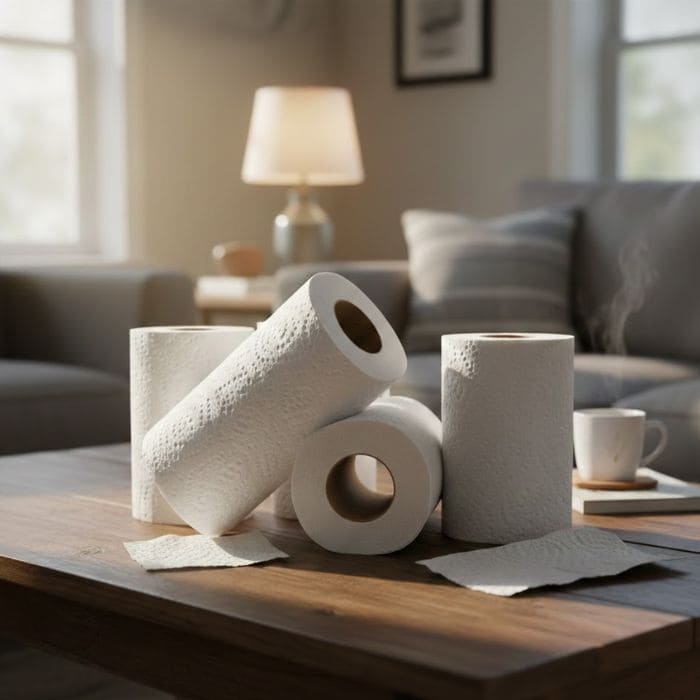
The United States spends around $6 billion every year on paper towels, and for a long time, I was quietly contributing to that number without giving it much thought.
Paper towels were always there, sitting on the counter, easy to grab, easy to throw away, and easy to justify. They felt harmless because each sheet was small, thin, and gone within seconds.
What I did not see at first was the accumulation.
One sheet here, two sheets there, several rolls each month, and suddenly a habit that felt insignificant became something I could no longer ignore, especially once I started paying closer attention to my daily waste.
When Paper Towels Felt Necessary, Not Optional
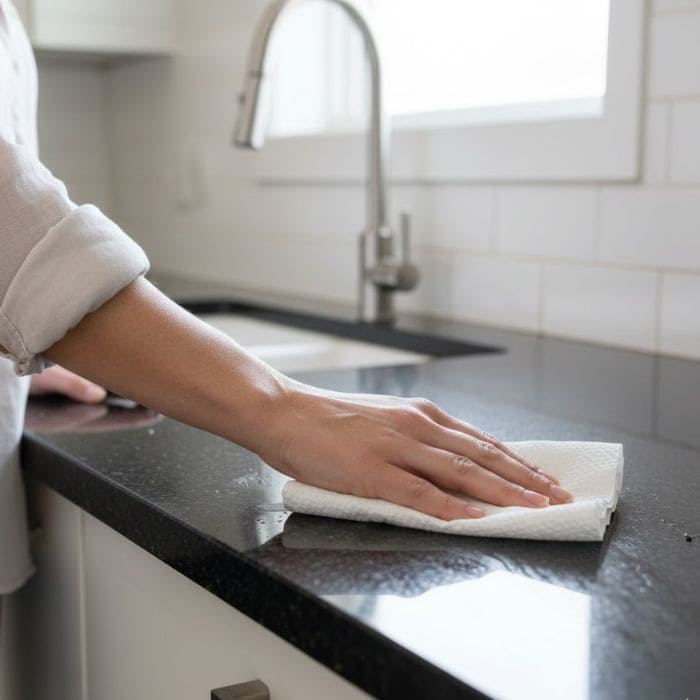
Paper towels were part of my routine for everything. I used them to dry hands, wipe kitchen counters, clean spills, absorb oil from food, and even as napkins when I ate alone.
I did not think of myself as wasteful because paper towels are often marketed as recyclable or biodegradable, which made them feel like a responsible choice.
The problem was not one dramatic use, iIt was frequency.
I went through one roll every four to five days, which meant roughly six to seven rolls per month, just for one person living alone.
When I finally did the math, that added up to more than 70 rolls a year, used mostly for tasks that lasted a few seconds.
Understanding the Environmental Cost
Paper towels are made from trees, water, and energy, and even recycled paper towels still require processing, transportation, and packaging.
Many paper towels cannot be recycled after use because they are contaminated with food, grease, or cleaning chemicals, which means they end up in landfills.
I learned that producing paper towels contributes to deforestation and high water consumption, and once used, they create waste immediately, without any second life.
That lifecycle felt completely misaligned with how short their usefulness actually was.
I Decided to Change My Habit
One evening, after cooking a simple dinner, I looked at the trash and noticed several crumpled paper towels from just that one meal.
I had simply reached for paper towels out of habit.
That was when I asked myself a simple question. What would happen if paper towels were not the default anymore.
I did not aim to eliminate them completely, I just aimed to limit them intentionally.
My First Replacement and Why It Worked
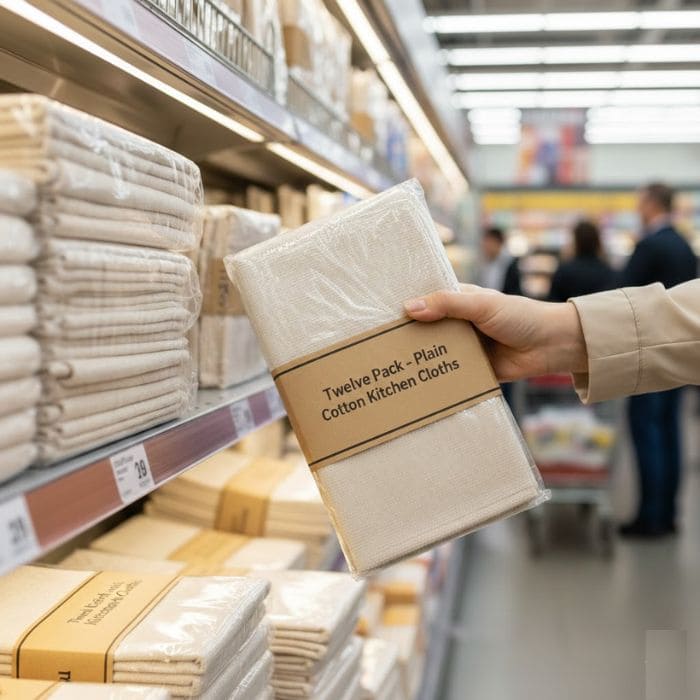
The first change I made was replacing paper towels for everyday cleaning with reusable cotton cloths.
I bought a pack of twelve plain cotton kitchen clothes, not fancy, not aesthetic, just functional. The entire pack cost me less than $15, roughly the same price as a few months of paper towels.
I placed them where the paper towels used to be, because I knew that convenience mattered more than intention. If the clothes were harder to reach, I would not use them.
For wiping counters, cleaning small spills, and drying hands, the clothes worked immediately, without adjustment.
Adjusting to the Discomfort Phase
At first, it felt strange to reuse something I had just used to wipe a spill. I worried about hygiene, smells, and extra laundry. That discomfort lasted about two weeks.
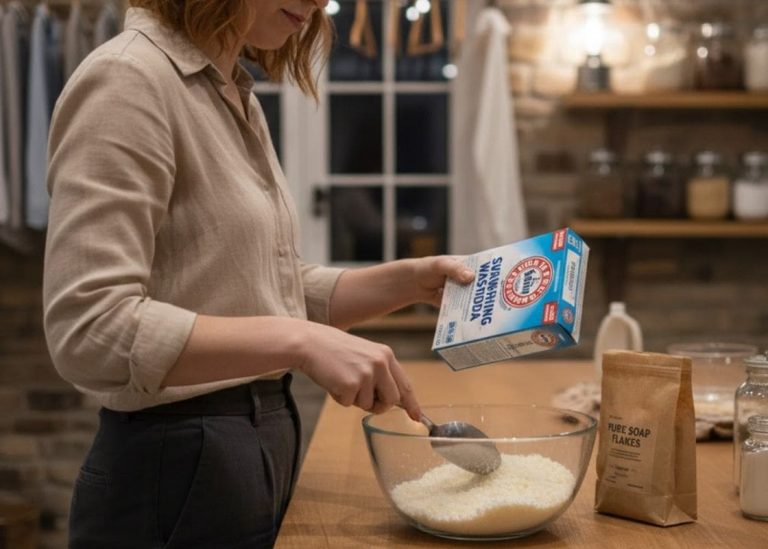
During that time, I created a simple system. Used clothes went into a small basket under the sink. I washed them with towels twice a week, using the same homemade detergent I already use for laundry.
Luckily, the clothes came out clean, and there were no smells.
What I Still Use Paper Towels For
I want to be honest. I did not eliminate paper towels completely. I still keep one roll in the kitchen, but it lasts me several months now, instead of several days.
I reserve paper towels for tasks where disposable really makes sense, such as cleaning grease-heavy messes, absorbing oil from fried food, or dealing with something unhygienic where reuse feels wrong.
By limiting use rather than banning it, the habit became sustainable.
The Financial Difference I Noticed Over Time
Before changing my habit, I spent around $8-10 per month on paper towels, depending on brand and availability. That added up to over $100 per year for something I threw away almost immediately.
Now, I spend about $15-20 per year replacing worn clothes occasionally and buying one or two rolls of paper towels for specific uses.
The savings were not dramatic in one month, but over time, they became obvious, especially when combined with other small sustainable habits.
Once paper towels were no longer automatic, I became more aware of other disposable habits. I noticed how often I reached for convenience items without questioning whether they were necessary.
Limiting paper towels sharpened my awareness of waste in general. It taught me that sustainability often begins with noticing what feels invisible.
Guests, Social Moments, and Letting Go of Perfection
When guests visit, I do not impose my habits. I leave paper towels accessible and let people use what feels comfortable. Sustainable living, for me, does not mean controlling others.
Interestingly, many guests noticed the clothes and asked about them. That taught me that example is quieter and more effective than instruction.
Final Reflection
The United States spends around $6 billion every year on paper towels, and each roll represents trees, water, energy, and waste for something we use briefly and forget immediately.
By limiting paper towel use, I did not change the world, but I changed my relationship with convenience.
Replacing paper towels with reusable cloths was a small shift that created lasting awareness, reduced waste, and simplified my daily routine.
Sometimes, protecting the environment does not start with big declarations. It starts with noticing what you throw away without thinking, and choosing, quietly, to do it differently.