I Don’t Buy Bottled Water Any More
More than 1 million plastic bottles of water are sold every single minute around the world. When I first read that number, it felt abstract, almost unreal, the kind of statistic you scroll past without letting it land. At that time, I was still buying bottled water regularly, sometimes without even thinking about it, especially…
More than 1 million plastic bottles of water are sold every single minute around the world.
When I first read that number, it felt abstract, almost unreal, the kind of statistic you scroll past without letting it land.
At that time, I was still buying bottled water regularly, sometimes without even thinking about it, especially when I was busy, tired, or traveling.
I did not stop buying bottled water because of one dramatic moment or a sudden environmental awakening.
I stopped slowly, through small realizations that stacked up over time, until continuing the habit no longer made sense, neither for the planet nor for my own daily life.
When Bottled Water Felt Like the Easiest Choice
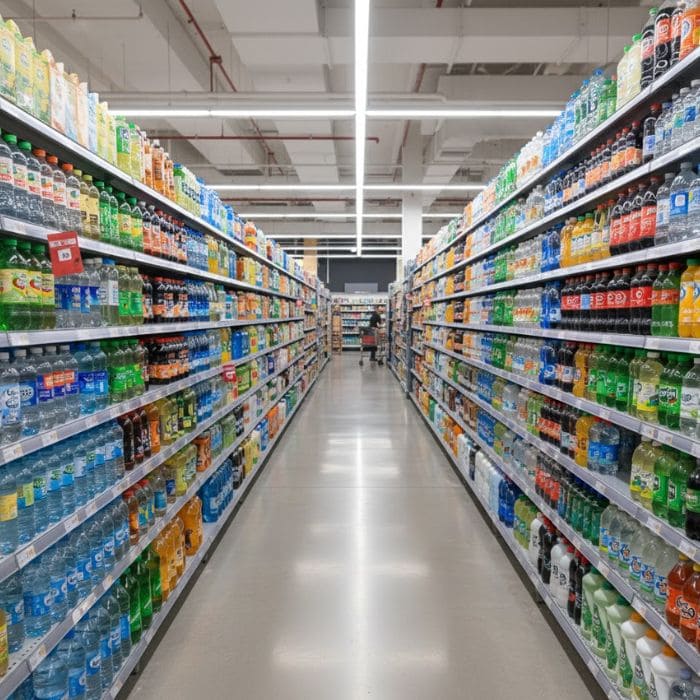
For years, bottled water felt harmless. It was convenient, widely available, and socially normal.
I would grab a bottle on the way to work, buy one at the airport, or add a pack of bottled water to my grocery cart during busy weeks.
The price never felt significant on its own. One dollar here, two dollars there, nothing that looked like a problem.
I told myself I recycled, so it was fine. What I did not consider was scale.
One bottle multiplied by weeks, months, and years adds up quickly, not just in money, but in plastic that does not disappear just because it goes into a recycling bin.
The Moment the Number Started to Matter
The statistic about 1 million bottles sold every minute stayed with me longer than I expected. I began noticing bottled water everywhere.
In offices, gyms, airports, convenience stores, and hotel rooms, it was always there, quietly normalized.
When I learned that a large percentage of plastic bottles are never actually recycled, even when placed in recycling bins, that statistic stopped feeling distant.
It started to feel personal. Each bottle had a lifespan far longer than the few minutes I used it.
I realized that convenience for me translated into permanence for the planet.
The Environmental Cost That Is Easy to Ignore
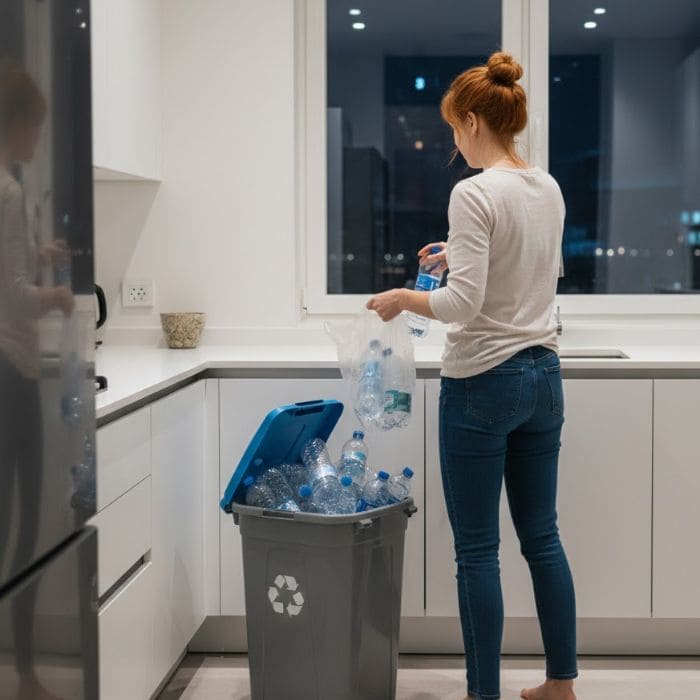
Plastic bottles are made from petroleum, transported long distances, and often used once before being discarded.
Even when recycling systems work, the process itself consumes energy and water. Many bottles end up in landfills, rivers, or oceans, where they break down into microplastics rather than disappearing.
Knowing this did not immediately change my behavior, but it planted discomfort. Every time I bought bottled water, I felt a small pause, a moment of awareness that had not existed before.
How I Actually Stopped Buying Bottled Water
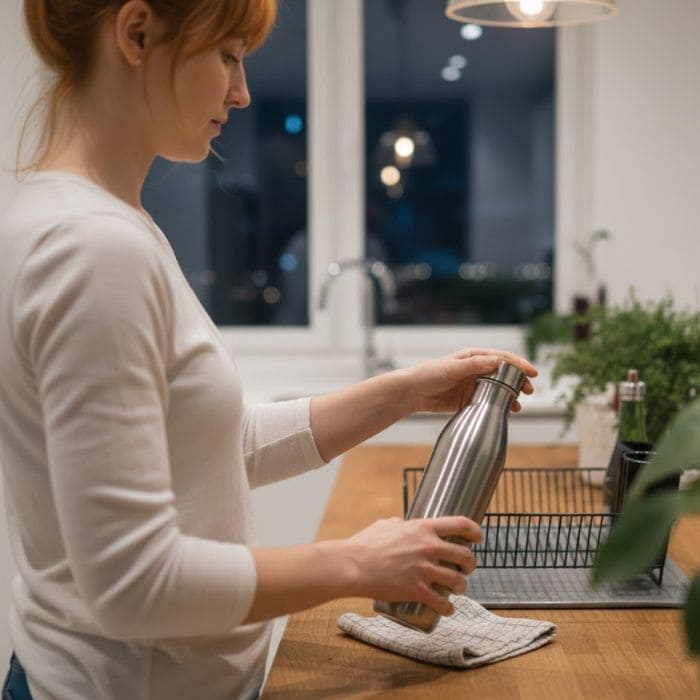
I realized that I bought bottled water most often in three situations. When I forgot to bring water from home, when I was traveling, and when I felt rushed. Instead of blaming myself, I worked on those moments.
The first change was buying a reusable water bottle that I genuinely liked using, not the cheapest one or the most eco one, but one that fit comfortably in my bag and felt pleasant to drink from.
I began filling it every morning while making coffee, turning it into part of my routine rather than an extra task.
Learning to Trust Tap Water Again
Another barrier I had was trust. Bottled water had always felt safer, cleaner, and more reliable. I had to unlearn that assumption.
I researched my local tap water quality and learned that it was safe to drink.
I added a simple filter at home, not because it was strictly necessary, but because it helped me feel comfortable during the transition.
Once I trusted my water source, bottled water lost much of its appeal.
Travel Was the Hardest Part
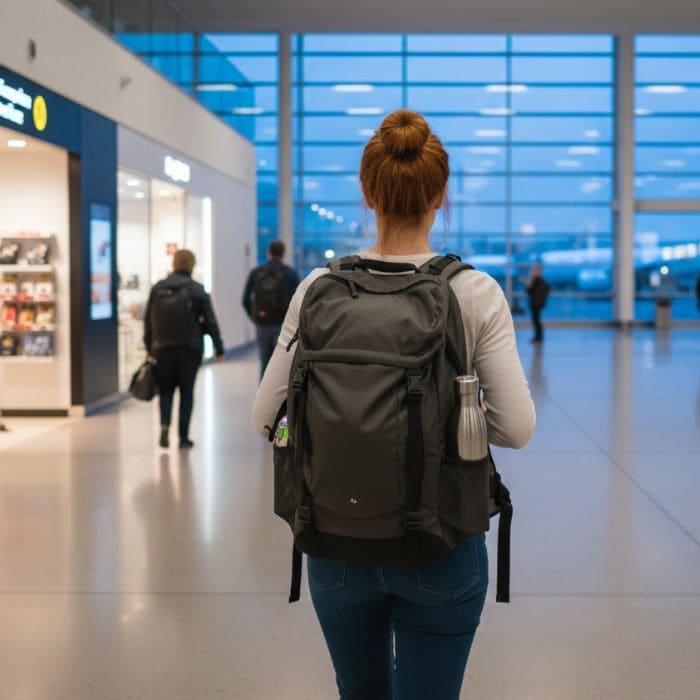
Airports, train stations, and tourist areas are designed around bottled water sales.
Prices are high, and refill stations are not always obvious. I used to give in easily, especially during long travel days.
Now, I carry an empty bottle through security and fill it afterward. I actively look for refill stations, cafés, or even ask politely at places where refilling is possible.
Sometimes it takes effort, but sometimes it feels awkward. But each time I avoid buying bottled water, I feel a small sense of alignment with my values.
The habit changed how I move through spaces. I became more observant and intentional.
The Financial Impact I Did Not Expect
I did not stop buying bottled water to save money, but the savings became noticeable over time.
Before, I easily spent between $10 and $20 per week on bottled water without realizing it. Over a year, that added up to several hundred dollars, spent on something I already had access to at home.
Removing that expense simplified my budget. It was one less recurring cost, one less unnecessary purchase.
How This Habit Changed My Awareness Beyond Water
Stopping bottled water changed more than my hydration habits. It sharpened my awareness of other disposable items I used without thinking.
If I questioned bottled water, I began questioning single-use cups, plastic cutlery, and convenience packaging. The habit created a ripple effect, not because I forced it, but because awareness spreads once it starts.
I became more comfortable saying no to unnecessary disposables, even when they were offered freely.
Social Moments and Quiet Resistance
There were moments when my habit felt inconvenient socially. Friends would offer bottled water. Meetings would provide only plastic bottles. Sometimes I felt awkward declining.
Over time, that discomfort faded. People became curious rather than judgmental. Some even started bringing reusable bottles themselves.
I still occasionally buy bottled water. On rare days when no alternatives exist, I do not punish myself.
Why This Habit Stuck
Stopping bottled water stayed with me because it aligned practicality with values. It reduced waste, saved money, and simplified my routines. It did not require constant effort once the habit formed.
Most importantly, it gave me a sense of agency. In a world where environmental problems feel overwhelming, this was a change I could control.