Slow Travel Changed the Way I Experience the World
For many years, I traveled with a sense of urgency that I did not question. I planned carefully, moved quickly, and treated time as something to optimize rather than experience. Then I returned home with photos, receipts, and the satisfaction of having done a place, yet something always felt incomplete, as if the trip had…
For many years, I traveled with a sense of urgency that I did not question. I planned carefully, moved quickly, and treated time as something to optimize rather than experience.
Then I returned home with photos, receipts, and the satisfaction of having done a place, yet something always felt incomplete, as if the trip had passed through me instead of staying with me.
Slow travel entered my life not as a trend I was chasing, but as a response to that quiet dissatisfaction.
Where Slow Travel Comes From
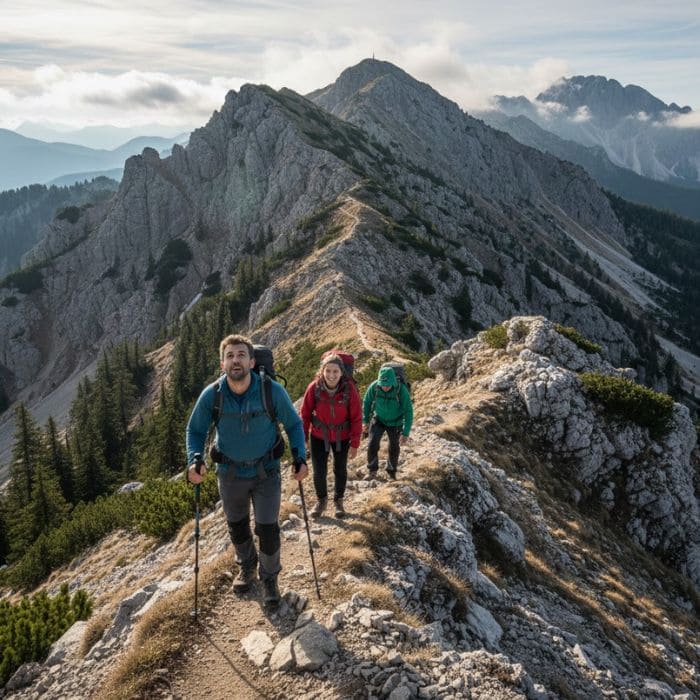
The slow travel’s roots trace back to the slow movement, which emerged in Italy in 1986 with the founding of the Slow Food movement, a response to fast food culture and the growing pace of modern life.
The core idea was simple but radical: slow down, value quality over speed, and reconnect with local rhythms.
In the early 2000s, these values naturally extended into travel. People began questioning why travel had started to resemble a checklist, and why being constantly on the move often left them exhausted rather than enriched.
Slow travel grew from that question, encouraging longer stays, fewer destinations, and deeper engagement with daily life.
When I first read about slow travel, I thought it sounded unrealistic for someone with limited vacation days. Only later did I understand that slow travel is not about traveling endlessly, but about choosing presence over pace.
Why Fast Travel Stopped Working for Me
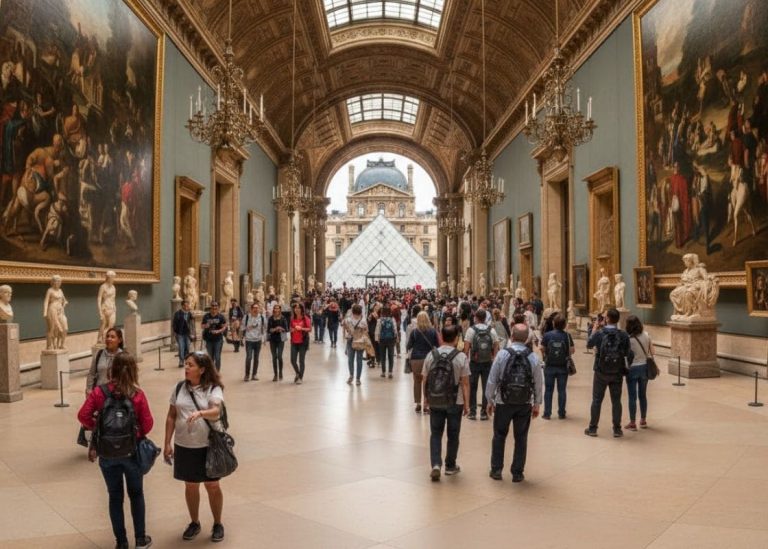
After several fast-paced trips, I noticed how little I remembered clearly. Cities blurred together. Cafés, streets, and museums merged into one vague impression.
I felt more tired returning home than when I left, as if travel had become another form of work.
I was seeing many places, but I was not absorbing any of them.
That was when I decided to try slow travel intentionally, just once, to see whether it truly felt different.
Choosing Portugal for My First European Slow Travel Experience
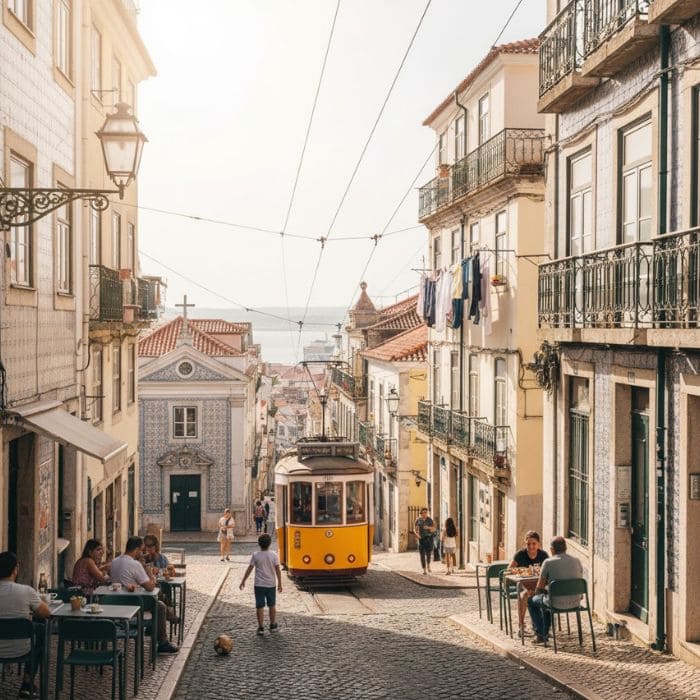
I chose Portugal almost instinctively. It felt approachable, warm, and grounded, a place where daily life still unfolded visibly in the streets.
Instead of moving between multiple cities, I decided to stay primarily in Lisbon, and more specifically, in the Alfama district.
In the past, I would have paired Lisbon with Porto and perhaps a coastal town, all within the same trip. This time, I stayed put for ten days.
Honestly, at first, that decision made me uneasy. I worried about boredom and wasted time. Those worries came from habit, not experience.
What Slow Travel Looked Like in Alfama
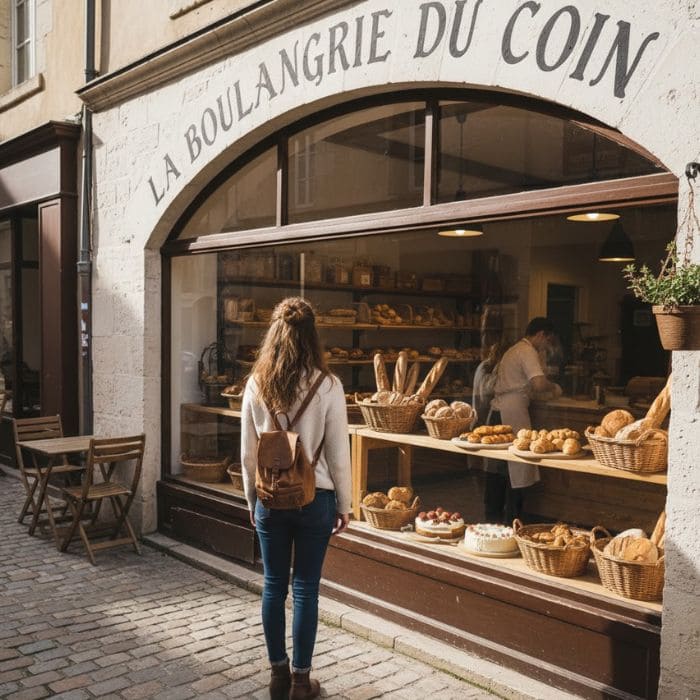
My days in Alfama unfolded gently. I woke up without alarms, opened the windows to the sound of footsteps and distant conversations, and walked without a plan.
The neighborhood itself became my guide. Narrow streets, laundry hanging between buildings, elderly neighbors greeting each other, cafés opening slowly in the morning light.
I visited the same bakery almost every day. The woman behind the counter began to recognize me, and I stopped feeling like a visitor passing through.
Then I sat longer with my coffee, watched locals read newspapers, and listened to the city wake up.
Some days, I explored nearby neighborhoods on foot. Other days, I did very little, reading, writing, and observing. Nothing felt wasted.
How Staying Longer Changed My Experience of Lisbon
By staying in one place, I noticed things I would have missed entirely on a fast trip.
I learned which tram routes were crowded and which were calm. I discovered which streets were noisy at night and which stayed quiet. I adjusted my walking pace to the city instead of forcing the city to adapt to me.
When you stay longer, the city stops performing for you. It simply exists, and you are allowed to exist within it.
The Financial Side of Slow Travel in Europe
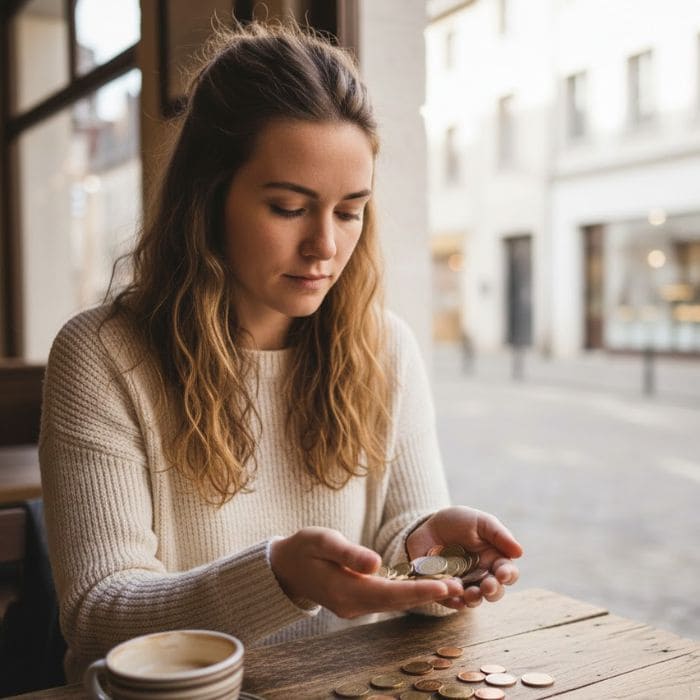
One of the most surprising benefits of slow travel was financial.
By staying in Lisbon for ten days instead of moving constantly, I avoided repeated transport costs.
No multiple train tickets. No airport transfers. No rushed taxis. Accommodation became more affordable for a longer stay, and daily spending naturally decreased.
I ate at local cafés and small neighborhood restaurants instead of tourist-focused spots. A simple lunch often cost €6 to €8, while dinner rarely exceeded €12.
Compared to fast travel, where convenience often dictates spending, slow travel removes urgency, and urgency is expensive.
I did not budget aggressively, just simply spent less because the pace encouraged it.
Why Slow Travel Feels More Respectful
Staying longer made me more aware of local life. I adjusted my behavior, learned basic phrases, and became more observant rather than demanding.
Also, I felt less like a consumer of experiences and more like a temporary resident.
I Now Choose Fewer Places on Purpose
Since that trip to Lisbon, I have planned differently.
I choose fewer destinations and stay longer. I give myself room to be bored, because boredom often leads to discovery. I no longer feel pressure to see everything.
My time in Alfama, Lisbon changed how I experience travel, not because I saw more, but because I allowed myself to see deeply.
The city stayed with me long after I left, not as a list of attractions, but as a rhythm I had lived alongside.