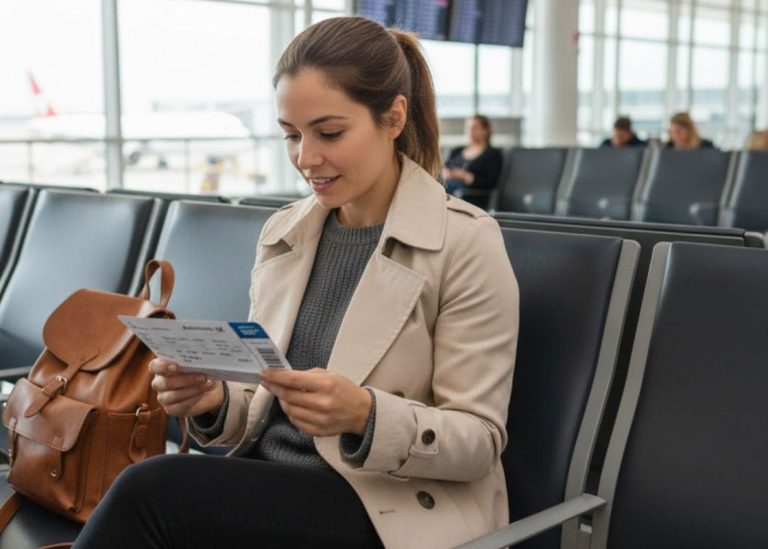
How I Choose Between Trains, Buses, and Flights When I Travel
Over the years, one of the biggest travel lessons I learned is what happens in between. Transportation shapes your days more than you realize. It affects how much you spend, how tired you feel, and how connected you are to the place you are visiting. When I was younger, I assumed the fastest option was…
Over the years, one of the biggest travel lessons I learned is what happens in between.
Transportation shapes your days more than you realize. It affects how much you spend, how tired you feel, and how connected you are to the place you are visiting.
When I was younger, I assumed the fastest option was always the best one, and that taxis were a reasonable default whenever I felt unsure.
After many trips, missed connections, overpriced rides, and surprisingly good public transport experiences, I now approach transportation very differently.
Why I Always Research Transport Before I Book Accommodation
Before booking a place to stay, I look at transportation first. I check how far the accommodation is from major train stations, metro lines, or bus routes.
A slightly cheaper room becomes expensive very quickly if you need taxis every day.
I learned this lesson during one of my early trips, when I stayed at a hotel that looked affordable but required a taxi ride every time I wanted to go anywhere.
That experience alone added more than $15 to $20 per day in transport costs, which quickly erased any savings from the hotel itself.
Trains: My First Choice Whenever They Make Sense
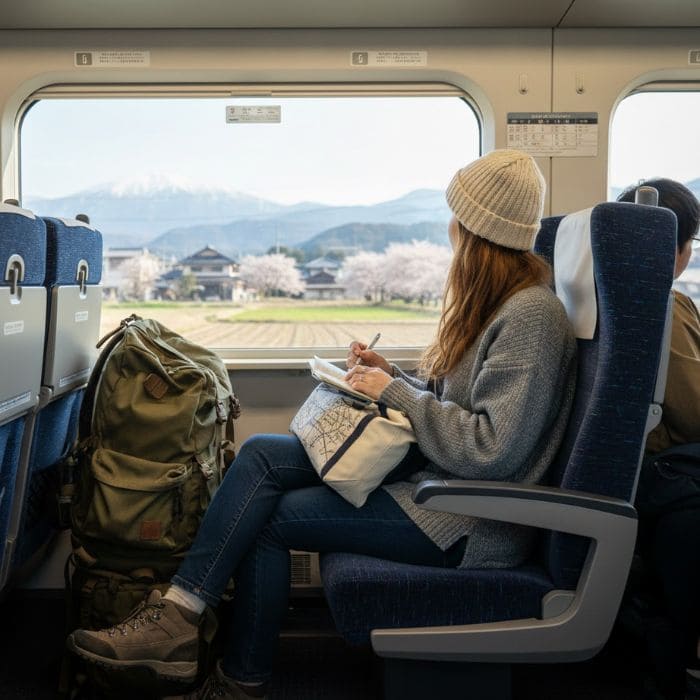
In many countries, trains are my preferred option because they are reliable, predictable, and often surprisingly affordable.
In Japan, trains are not just transportation, they are infrastructure at its best.
I used local JR trains rather than expensive passes, and found that traveling between cities like Tokyo, Kyoto, and Osaka by train felt efficient rather than exhausting.
Even when tickets were not cheap, the time saved and the comfort justified the cost.
In Taiwan, the train system completely changed how I moved. The MRT in Taipei is clean, intuitive, and extremely affordable.
Most rides cost less than $2, and stations are clearly marked in English. I stayed near a station on purpose, and during that entire trip, I never once needed a taxi.
What I love about trains is that they reduce uncertainty.
You know where you are going, when you will arrive, and how much it will cost. That predictability reduces travel stress significantly.
Buses: Underrated and Often the Best Value
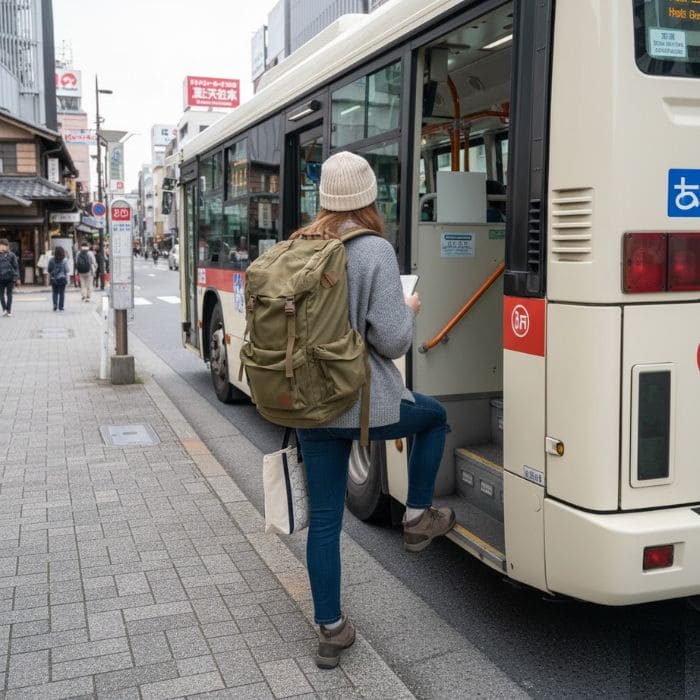
In Thailand, buses were not always comfortable, but they were practical. In Bangkok, city buses helped me reach areas that trains did not cover easily, and they cost almost nothing.
A bus ride often costs less than $1, while the same trip by taxi during peak hours could cost ten times more and take longer due to traffic.
In Europe, long-distance buses surprised me the most. On one trip, I compared a train ticket that cost over €60 with a bus ticket for €18 for the same route.
The bus took longer, but the ride was smooth, the seat was comfortable, and I arrived with enough money saved for an extra day of travel.
Buses require flexibility, but if you are not in a rush, they offer incredible value.
Flights: Only When Distance Truly Demands It
Flights are necessary sometimes, but I no longer treat them as the default.
In regions where distances are long and trains are inefficient or expensive, flights make sense.
However, I learned to factor in hidden costs. Airport transfers, baggage fees, waiting time, and exhaustion add up quickly.
On one trip, a short flight looked cheaper on paper, but once I added luggage fees and transport to and from the airport, the total cost exceeded a train option that would have taken only two hours longer and left me in the city center.
Now, I ask myself one question before booking a flight. Does this actually save me time and energy, or does it just look efficient on a screen?
Why I Avoid Taxis Whenever Possible
In many cities, taxis are the most expensive way to move, especially for travelers who do not know local pricing norms.
I learned this in Bangkok, where a short taxi ride during rush hour once cost me more than an entire day of public transport.
In Vietnam, taxis near tourist areas charged unpredictable rates, while buses and ride cards offered stable pricing.
The difference was not just financial, but emotional. Negotiating or worrying about being overcharged drained energy.
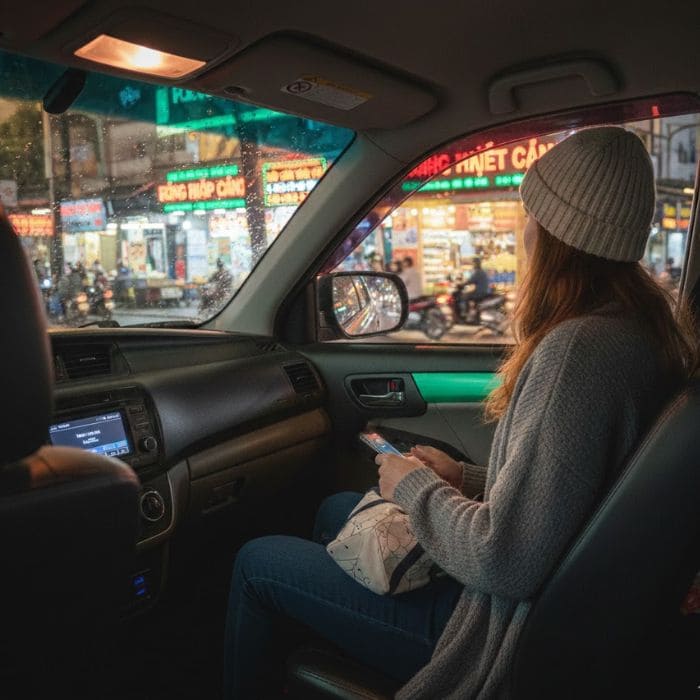
However, I do use taxis occasionally.
I do this late at night, when safety is a concern, when carrying luggage, or when arriving in a new city after a long journey.
A Real Experiment That Changed My Habits
On one trip, I tracked my transport spending carefully.
For five days, I used only public transport. My total transport cost was under $15. On another similar trip, when I relied heavily on taxis, I spent over $60 in the same time frame.
Beyond money, public transport changed how I experienced places.
I walked more. I noticed neighborhoods. I saw daily routines. And I felt less like a visitor being moved around and more like someone temporarily living there.
Public transport slows you down just enough to notice life happening around you.
What I Recommend for Young Travelers
If you are traveling on a budget, transportation is where your decisions matter most.
Choose accommodation near public transport; learn the basics of local systems; avoid taxis by default; and accept a bit of inconvenience in exchange for savings and experience.
These choices compound quickly, especially on longer trips.