I Stopped Spending Money on These Things
There was a time when I believed saving money required complicated strategies, higher income, or extreme discipline. What I eventually learned, living alone and managing my own finances year after year, is that the biggest financial shift often comes from what you stop spending money on, not from how aggressively you try to earn or…
There was a time when I believed saving money required complicated strategies, higher income, or extreme discipline.
What I eventually learned, living alone and managing my own finances year after year, is that the biggest financial shift often comes from what you stop spending money on, not from how aggressively you try to earn or invest.
When I looked back at my expenses honestly, not emotionally, not defensively, I realized that a significant amount of my money was leaving quietly, repeatedly, and without adding real value to my life.
These were not dramatic purchases, they were socially accepted, normalized, and often even praised.
Here are the things I consciously stopped spending money on.
1. Luxury Brands as a Default Choice
This one took time, because luxury brands are designed to feel meaningful.
I used to buy luxury items, especially handbags and accessories, from brands like Chanel and Louis Vuitton.
Each purchase felt like a milestone, a reward for hard work, a symbol of progress. The quality was good, the branding was strong, and the social validation was real.
But gradually, the emotional satisfaction faded far faster than the financial impact.
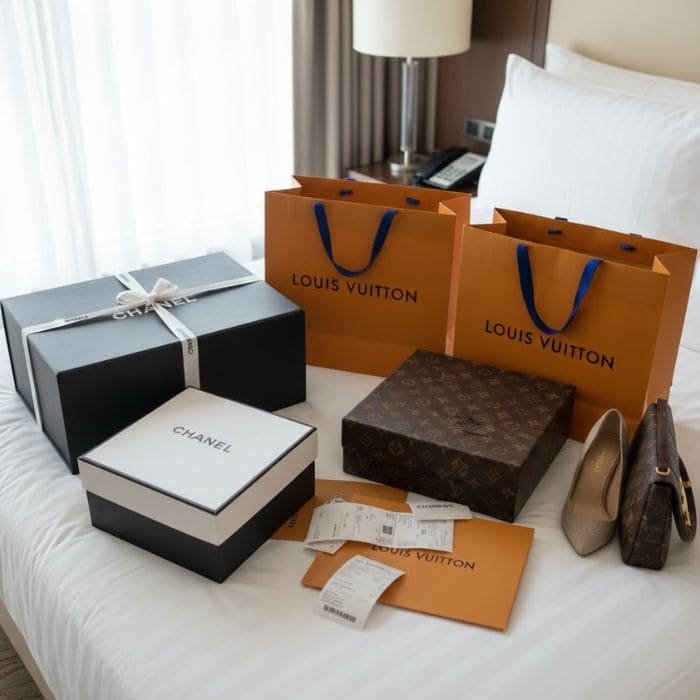
A bag that cost several thousand dollars did not change how I lived, how I felt day to day, or how secure my future was.
It sat quietly in my closet, used occasionally, admired briefly, while the money tied to it remained permanently spent.
I am not against luxury entirely, I am against unexamined luxury spending.
Now, I do not buy luxury brands as a default or as a marker of success. If I ever buy something expensive, it must meet a very strict standard: long-term use, emotional relevance, and clear personal value. Most items fail that test.
What changed was not my taste, but my awareness. I realized I preferred financial flexibility over symbolic ownership.
2. Changing Smartphones Every Time a New Model Is Released
For years, a new phone would be released, reviews would appear, friends would upgrade, and I would start feeling that subtle discomfort that my current phone was suddenly old.
I used to upgrade frequently, especially with devices from Apple.
Each new release promised better cameras, faster performance, and minor improvements that sounded important but rarely changed my actual daily usage.
Eventually, I asked myself a simple question: Is my current phone failing me, or am I reacting to marketing?
The answer was uncomfortable but clear. My phone worked perfectly. Messages sent, photos looked fine and apps ran smoothly.
I stopped upgrading unless my phone genuinely stops functioning or becomes incompatible with essential software.
I now keep devices far longer than I used to, and the savings are significant, not just from the phone itself, but from accessories, cases, and impulse add-ons that always come with upgrades.
This change alone saved me thousands over time, without any reduction in quality of life.
Read more: I Stopped Spending Money on These Things
3. Shopping Without a Clear Rule
I enjoy shopping. I enjoy browsing, touching materials, imagining outfits, and feeling the sense of renewal that new items bring. The problem was not shopping itself, but shopping without structure.
I used to shop when I was tired, stressed, or bored.
The purchases were rarely dramatic, but they were frequent. A shirt here, shoes there, items that felt affordable individually but accumulated quickly.
I stopped that pattern by creating strict personal rules, which I will explain in detail in my next post, but the core change was that I no longer shop casually.
Read more: The 3-Day Rule That Completely Changed the Way I Shop
4. Subscription Channels I Was Not Actively Using
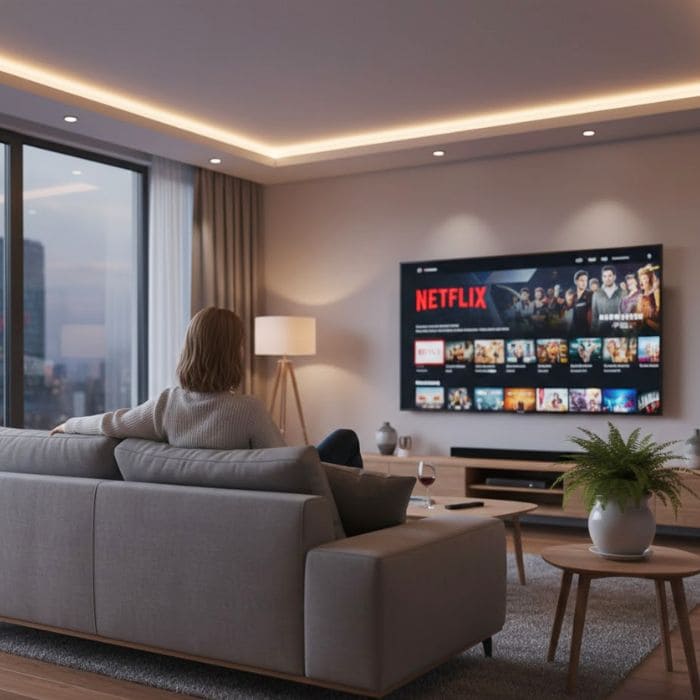
At one point, I was paying monthly for multiple subscriptions, including streaming services like Netflix, Spotify, and a premium cable package that I rarely watched.
Individually, each subscription felt small. Together, they were quietly expensive.
I decided to audit my subscriptions honestly. Not what I intended to use, but what I actually used. The result was uncomfortable.
Some platforms I hadn’t opened in months, some I used once a week, whereas some were simply habits I never revisited.
I canceled everything that was not actively enriching my life. Now, I rotate subscriptions intentionally. I use one or two at a time, then cancel, then return later if needed.
This habit reduced waste and reminded me that convenience should not override awareness.
What These Changes Gave Me Instead
Stopping these spending habits did not make my life restrictive. It made it lighter.
I gained more financial margin, less decision fatigue, fewer regrets and greater confidence in my choices
Money stopped leaking quietly and started staying where it belonged, supporting stability rather than image.
When people ask how to save more money, they often expect complex strategies. In my experience, the most powerful change is subtraction, not addition.