The Gold Investment Frenzy and My Personal View
In the past few years, I have noticed a clear shift in conversations around money. Not just in the office, not just in financial news, but in casual conversations with friends, family members, and even people who once said they were not interested in investing at all. Gold keeps coming up. People talk about gold…
In the past few years, I have noticed a clear shift in conversations around money.
Not just in the office, not just in financial news, but in casual conversations with friends, family members, and even people who once said they were not interested in investing at all. Gold keeps coming up.
People talk about gold prices almost the way they talk about weather warnings.
Is it going up again? Is it now too late? Should I buy it before it becomes even more expensive? There is a tone of anxiety mixed with hope, and sometimes fear disguised as opportunity.
This kind of frenzy around gold is not new in history, but it feels different this time, especially among younger generations.
Years ago, precious metals felt distant to most young people. Gold was something your parents mentioned, or something stored away quietly by older generations.
Stocks, real estate, and technology felt more relevant. Gold felt old-fashioned. That has changed.
Why Gold Suddenly Matters to So Many People

If you look back many years, gold investing was not something most young people cared about.
It was seen as slow, conservative, and unexciting. But the world has changed rapidly, and uncertainty has become a permanent feature of modern life.
Inflation, geopolitical tension, market volatility, and the memory of recent global crises have reshaped how people think about safety. Trust in systems feels more fragile. Long-term predictability feels less guaranteed.
According to a recent survey of 2,000 U.S. adults aged 35–64, about 38.6 percent bought gold or silver in the last 12 months, and millennials are leading this movement.
Even more telling is that 91.7 percent of buyers say they are equally or more likely to buy again, which suggests that this is not a one-time reaction, but a shift in mindset heading into 2026.
This data does not surprise me. I see it reflected in real conversations, not just numbers.
My Honest Relationship With Gold Investing
I want to be clear from the beginning. I am not against gold, and I am not blindly enthusiastic about it either.
Honestly, in just the last two years, I have started paying much more attention to gold. Not because of fear, not because of social media noise, but because my understanding of risk, protection, and long-term stability has evolved.
I hear a lot about silver too. Many people are passionate about it, and I understand why.
But personally, I focus more on gold. It fits my mindset better. It feels calmer, steadier, and more aligned with how I approach financial management.
Gold Is Not About Speed, It Is About Stability
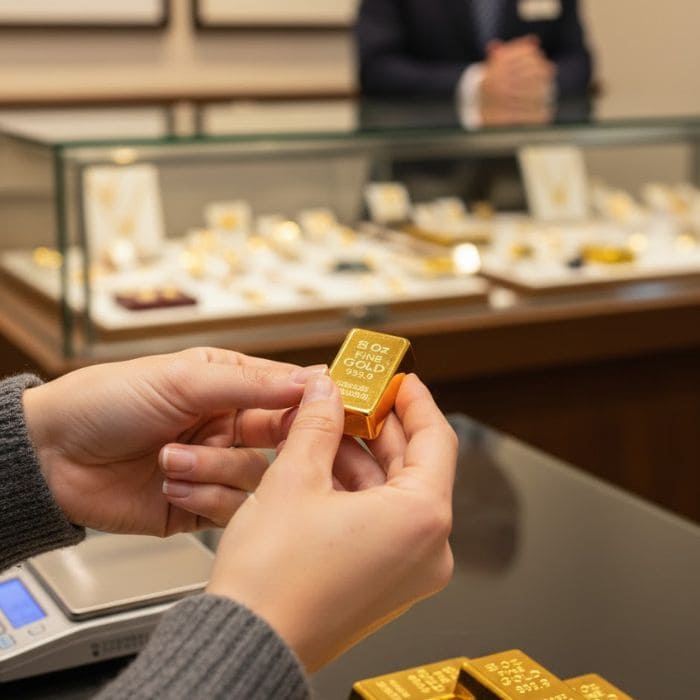
One of the biggest misunderstandings about gold is that people treat it like a growth asset. They watch charts closely, wait for spikes, and hope to buy low and sell high quickly.
That is not how I approach gold at all. I aim for long-term investment, not short-term gains.
Gold, in my view, is not something you chase. It is something you build quietly over time, the way you build a foundation rather than a tower.
I do not wait for gold prices to increase dramatically before buying, and I do not panic when prices fluctuate. I plan monthly, then I save consistently and invest with intention, not emotion.
Why I Avoid FOMO in Gold Investing
Fear of missing out is powerful, especially when prices rise and headlines become louder. But FOMO is one of the most expensive emotions in investing.
When people buy gold because they are afraid it will become unaffordable, they often buy too much at once, at the wrong time, with money they were not prepared to lock away.
That pressure leads to regret, not security. So I refuse to let urgency dictate my decisions.
My Monthly Approach to Gold Investing

I treat gold the same way I treat other long-term financial commitments. It is planned, predictable, and integrated into my broader financial structure.
Each month, I allocate a portion of my savings toward precious metals. Not because prices are moving, but because consistency matters more than timing.
This approach allows me to buy across different price points, smoothing out risk and reducing anxiety.
I do not try to guess where prices will be next month. I accept that no one knows that with certainty. What I do know is that spreading purchases over time reduces emotional pressure and improves long-term stability.
The Most Important Rule: Never Go All In on Gold

This is where many people make mistakes. Gold is a hedge, not a hero. It is protection, not domination. I never put all my investment money into gold, and I never recommend doing so.
Let me give a clear example.
If I had $10,000 to invest, I would not put all of it into gold at once. Instead, I would divide it strategically. Sometimes I follow a 30-30-40 rule, and sometimes a 35-35-30 rule, depending on market conditions and personal comfort.
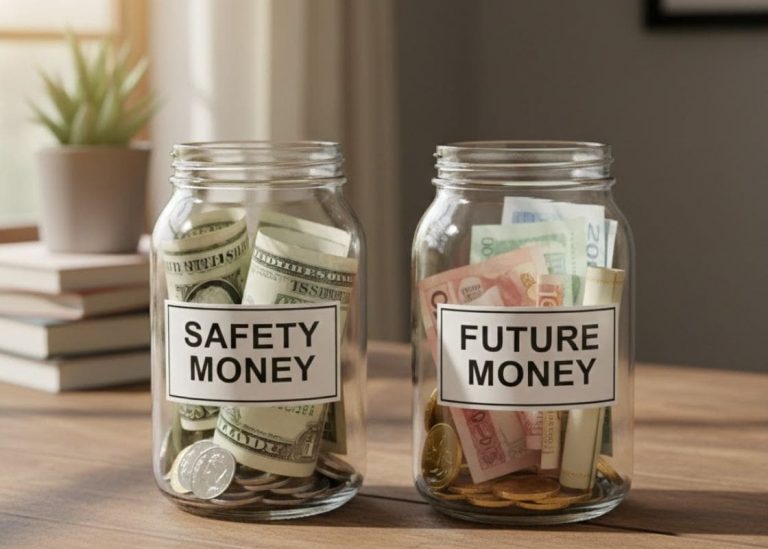
It means I split the total amount into smaller stages. One portion might go into gold. Another into other long-term assets. Another remains as cash or alternative investments
By dividing capital, I avoid emotional extremes. I am not afraid of high prices, because I am not committing everything at once. I am not frozen by indecision, because I am still participating steadily.
Why This Matters Especially for Young People
Young people today face a different world than previous generations. Debt is heavier, costs are higher, and stability feels more fragile. It makes sense that many are turning toward assets that feel tangible and enduring.
But gold should not be approached with fear or obsession, it should be approached with patience, discipline, and humility.
Gold will not make you rich overnight. It will not solve poor financial habits and protect you from emotional decisions if you invest without a plan.
What it can do is provide a layer of stability when used wisely.
My Final Thought on the Gold Frenzy
I understand why gold has become popular again. I understand the anxiety driving it. And I understand the desire for something solid in an uncertain world.
But frenzy is never a good foundation for investment.
My relationship with gold is calm, structured, and intentional. I invest for the long term and I avoid all-in decisions.
If you are considering gold, ask yourself not whether prices will rise tomorrow, but whether you are prepared to hold calmly for years.
If the answer is yes, gold may have a place in your financial life. If the answer is no, stepping back may be the wiser choice.